Setting up your roof edges correctly requires a lot of practical attention before the dark storm clouds arrive. You cannot just slap on some metallic channels without sorting out the wood underneath because everything will rot out fast. Doing a proper fascia board installation gives your home a strong, level baseline that holds up under massive water weight. Most homeowners use cheap, untreated timber planks that split wide open after just one single season of summer heat. It makes way more sense to pick fibre cement or treated wood that does not warp when things get soaked. Keeping this area completely solid stops the heavy brackets from sagging or pulling away entirely from your rafters during heavy downpours.
Mounting Your Roof Channels Correctly
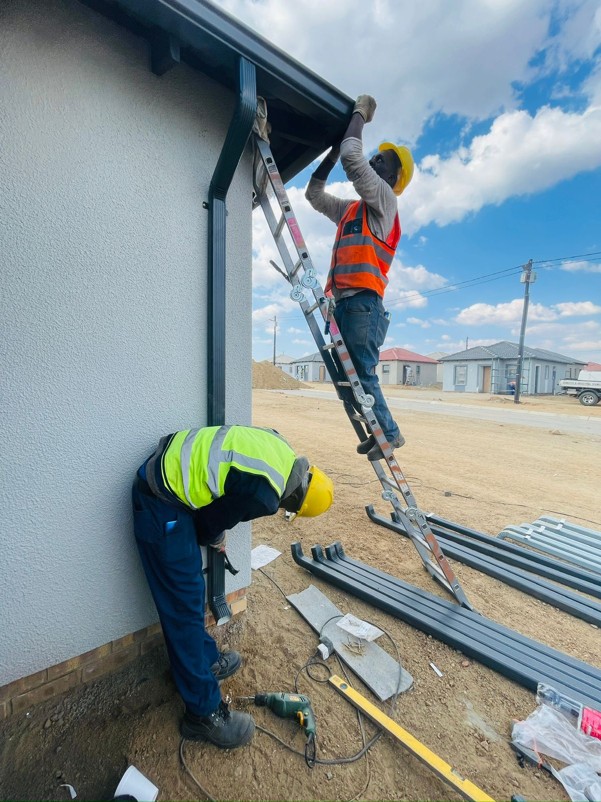
Once the timber backing is totally secure, you can focus on the actual gutter and downpipe installation process. You need to make sure the slope points exactly toward the exit tracks or you get weird, stagnant puddles forming. If the water just sits there for weeks, mosquitoes will breed right outside your main bedroom window. Choosing thick seamless aluminium instead of cheap sectional plastic prevents those annoying drips at the joints. You want wide vertical tubes that can easily handle stray twigs without getting jammed up every single November.
Preventing Bad Foundation Cracks
When pouring rain repeatedly overflows from your roofline, it drops straight down and pools around your concrete foundation. This constant moisture saturation can create tiny hairline cracks that eventually cost thousands of hard-earned dollars to repair. A clean gutter and downpipe installation helps you avoid these massive structural headaches by moving the water far away. Smart property owners add long plastic extensions at the bottom to push the dampness past their main garden beds. Keeping the soil right next to your brickwork relatively dry avoids scary structural shifting down the line.
Aligning Your Brackets Right
You need to space your metal hanging hooks closely together so they can actually support heavy winter snow loads. If you skip a few brackets during the fascia board installation phase, the whole setup will rattle like crazy in high winds. Inexpensive installations use weathered iron nails that effortlessly pop back out of damp wood in a few years. Look for heavy-duty chrome steel screws that lock tight to the rafter tails for ultimate wind resistance. Checking the alignment with a simple yarn ruler allows water to flow effortlessly towards the downpipes without backing out.
Cleaning Out Wet Dirt Easily
No one likes to climb a shaky extension ladder to scoop up a handful of stickies, rotten pine needles over the weekend. After installation, a suitable wire mesh bag is placed over the drain to keep large particles from entering the system. This basic trick keeps the tracks running easily and reduces your general maintenance work. Flushing the lines with a standard garden hose twice a year shifts the fine silt before it turns into hard mud. Taking care of these small tasks preserves your exterior paintwork and extends your roof life.
Conclusion
Managing heavy storm runoff properly requires high-quality materials and a solid layout plan that matches your specific property shape. Exploring the various design choices available on Premiumgutters.co.za will help you understand how professional upgrades protect your building structure over the long term. Investing in heavy-duty warranties avoids the common frustration of dealing with leaky seams and sagging fasteners after every light weather event. Taking care of your outdoor plumbing holds the foundation firmly in place and prevents moisture from seeping into your living area all at once. If you need to improve your home with an exceptionally reliable drainage system, contact our local experts to schedule an inspection these days.