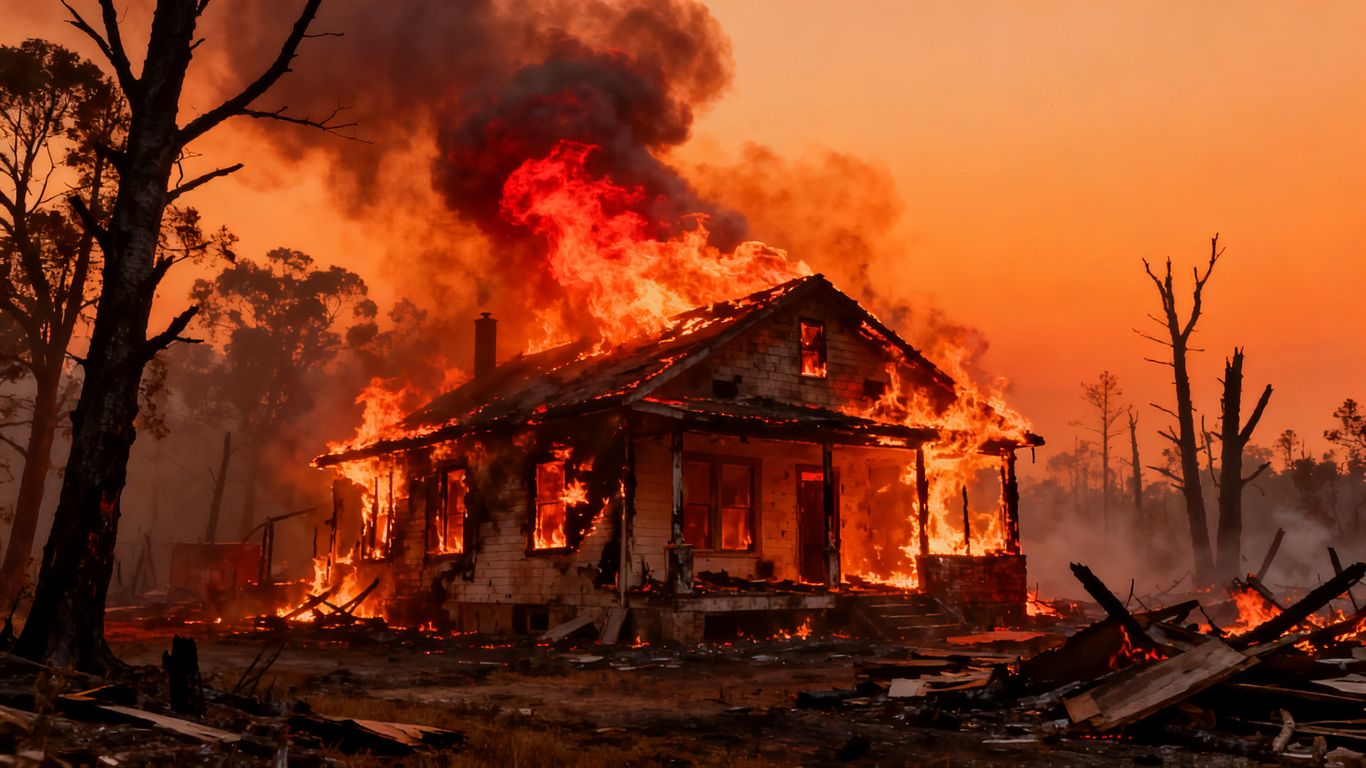
When a wildfire sweeps through, leaving a trail of destruction, it’s natural to feel lost and unsure about what comes next. Beyond the immediate shock and the immense task of rebuilding, there’s the question of accountability and compensation. You have rights, and understanding them is the first step toward seeking justice and recovery. It’s important to know that legal action is often possible when your property has been damaged or destroyed by a wildfire, especially if negligence played a role.
Eligibility to File a Wildfire Lawsuit
Not everyone affected by a wildfire will have grounds for a lawsuit, but many do. Generally, you may be eligible to file a claim if you can demonstrate that the fire caused damage to your property and that a specific party or entity is legally responsible. This responsibility often stems from actions or inactions that led to the fire starting or spreading.
Key factors for eligibility include:
-
Proof of Damage: You must have suffered demonstrable losses, such as damage to your home, business, vehicles, or personal belongings.
-
Identifying a Liable Party: This could be a utility company whose equipment sparked the fire, a government agency that failed to manage vegetation properly, or another entity whose negligence contributed to the disaster.
-
Causation: You need to show a direct link between the liable party’s actions or failures and the wildfire that damaged your property.
If your property was damaged, exploring your options with legal counsel is a good idea. They can help assess the specifics of your situation and determine if you have a viable case.
Types of Damages Recoverable
When you pursue a wildfire lawsuit, the goal is to recover compensation for the losses you’ve experienced. The law recognizes various types of damages that can be claimed, aiming to make victims whole again as much as possible. These aren’t just about the physical structures lost; they extend to the broader impact on your life.
Common categories of recoverable damages include:
-
Property Damage: This covers the cost to repair or rebuild your home, business structures, fences, and other real property. It also includes damage to vehicles and other personal property destroyed in the fire.
-
Loss of Use and Additional Living Expenses: If your home is uninhabitable, you can seek compensation for temporary housing, such as hotel stays or rental properties, as well as increased costs for food and transportation.
-
Lost Income and Business Interruption: For business owners, this can include lost profits, revenue, and the costs associated with shutting down operations temporarily. For individuals, it can cover wages lost due to displacement or injury.
Seeking Compensation for Property Damage
Recovering compensation for property damage is often the primary focus for individuals and families impacted by wildfires. The process involves meticulously documenting the extent of the loss and presenting a clear case for the value of what was destroyed or damaged. The aim is to secure funds that will allow you to rebuild and replace what was lost.
Steps typically involved in seeking compensation include:
-
Thorough Documentation: This means taking photos and videos of the damage, keeping all repair estimates, and gathering receipts for any temporary living expenses or replacement items.
-
Valuation of Losses: Working with experts, if necessary, to determine the fair market value of your destroyed property and the cost of necessary repairs or replacements.
-
Negotiation and Legal Action: Engaging with the responsible parties or their insurance companies to negotiate a settlement. If a fair settlement cannot be reached, legal action may be necessary to pursue your claim in court. Understanding the legal process for wildfire claims can be complex, making legal guidance important.
Establishing Liability for Wildfire Property Damage
When your property is damaged or destroyed by a wildfire, figuring out who is responsible is a big step. It’s not always straightforward, but understanding the basics can help. Generally, to hold someone accountable, you need to show they had a duty to act a certain way, they didn’t meet that duty, and their failure directly led to your losses. This is often referred to as proving negligence.
Identifying Potentially Liable Parties
Several different parties could potentially be held responsible for a wildfire. It really depends on how the fire started and what actions (or inactions) contributed to its spread. Some common examples include:
-
Utility Companies: These companies manage power lines, and sometimes equipment malfunctions or poor maintenance can spark fires. There’s been a lot of focus on utility companies’ role in wildfires in recent years.
-
Landowners or Property Managers: If someone owns land where the fire started and failed to take reasonable steps to prevent it, they might be liable.
-
Government Agencies: In some situations, agencies responsible for land management or fire prevention could be implicated if they were negligent.
-
Contractors or Individuals: Actions by contractors working in wildland areas or even individuals whose actions inadvertently start a fire can lead to liability.
Proving Negligence in Wildfire Cases
Proving negligence in a wildfire case involves gathering evidence to demonstrate a clear link between the defendant’s actions and the damage you suffered. This often requires a detailed investigation into the fire’s origin and the events leading up to it. Key elements to establish include:
-
Duty of Care: Showing that the party in question had a legal obligation to act with reasonable care to prevent harm.
-
Breach of Duty: Demonstrating that they failed to meet that standard of care. For instance, a utility company might have failed to trim trees near power lines as required by regulations.
-
Causation: Proving that this breach of duty was the direct cause of the wildfire and your resulting property damage.
-
Damages: Documenting the extent of your losses, from destroyed structures to lost personal items.
The Role of Utility Companies in Wildfires
Utility companies often find themselves at the center of wildfire litigation. Their vast networks of power lines, transformers, and other equipment can be ignition sources, especially during dry, windy conditions. Investigations often look into whether these companies followed safety protocols, maintained their equipment properly, and responded adequately to known risks. Many wildfire lawsuits have targeted utility providers for damages stemming from equipment failures or inadequate vegetation management. Settlements in these cases can be substantial, reflecting the immense destruction these fires can cause.
Navigating the Statute of Limitations for Wildfire Claims
When dealing with the aftermath of a wildfire, understanding the legal timelines for filing a claim is incredibly important. These deadlines are known as statutes of limitations. Think of them as a clock that starts ticking once a certain event occurs. If you miss this deadline, you generally lose your right to seek compensation through the courts, no matter how strong your case might be. It’s a strict rule, and it applies to wildfire damage claims too.
General Time Limits for Filing Lawsuits
In California, the general rule for filing a lawsuit related to property damage is often three years from the date the damage occurred. However, for wildfire claims, especially those involving a declared State of Emergency, the clock might start differently. For instance, policyholders may have 24 months from the loss inception to file a lawsuit, plus any equitable tolling. It’s not always a simple count from the day the fire started. The specifics can change based on the type of damage and the circumstances of the fire. This is why knowing the exact date your property was damaged is just the first step.
The Discovery Rule and Extended Deadlines
Wildfire cases can be complicated because the cause of the fire isn’t always immediately obvious. This is where the discovery rule comes into play. This legal principle means the statute of limitations clock doesn’t necessarily start on the day of the fire. Instead, it can begin when you discover, or reasonably should have discovered, both the damage and its cause. Official investigations into wildfire origins can take a long time, sometimes years. The release of a final report, which might point to negligence by a utility company, can be the actual starting point for the legal clock. This means you might still have a valid claim even if the fire happened years ago. For example, if a utility company’s faulty equipment caused the blaze, and this wasn’t confirmed until a later investigation, your time to file might be extended based on when that information became public. This is a critical exception for many wildfire victims seeking compensation for property damage.
Importance of Prompt Legal Consultation
Because statutes of limitations can be complex and vary based on the specifics of your situation, it’s highly recommended to consult with an experienced attorney as soon as possible after a wildfire. They can help determine the precise deadline for your claim, taking into account factors like the discovery rule and any specific state laws that might apply. Waiting too long can mean missing out on the compensation you deserve. An attorney can also help gather necessary evidence, which might include:
-
Photos and videos of your property before and after the fire.
-
Insurance policy documents and communications with adjusters.
-
Financial records, such as receipts for repairs or temporary housing.
-
Official investigation reports regarding the fire’s cause.
Acting quickly is key to preserving your legal rights. Consulting with a legal professional early on can provide clarity and ensure you don’t inadvertently forfeit your chance to seek damages. Understanding these time limits is a vital part of the process for anyone affected by wildfire destruction.
Types of Losses Covered in Wildfire Lawsuits
When a wildfire sweeps through, the destruction can be immense, leaving behind a trail of devastation. Beyond the immediate flames, the aftermath often involves significant financial and personal losses. Understanding what types of damages can be sought in a lawsuit is a key step toward recovery.
Compensation for Home and Business Destruction
The most direct and often largest loss is the complete destruction of homes and businesses. This includes not only the main structures but also any outbuildings, garages, or other permanent fixtures on the property. Lawsuits aim to recover the cost to repair the damage or, more commonly in severe cases, the full replacement value of the property. This can be a complex calculation, often requiring detailed appraisals and construction estimates. For businesses, this also extends to the loss of the physical location and any specialized equipment or inventory that was destroyed.
Recovery for Lost Personal Belongings
Beyond the structure itself, wildfires can obliterate personal possessions that hold significant value, both monetary and sentimental. This category includes:
-
Furniture and appliances
-
Clothing and personal effects
-
Collectibles and heirlooms
-
Electronics and recreational equipment
Documenting these losses can be challenging, but creating detailed lists, using photos or videos taken before the fire, and providing receipts where available can help establish the extent of this damage. The goal is to account for the actual cash value or replacement cost of these items.
Damages for Business Interruption and Lost Income
For business owners, the impact of a wildfire can extend far beyond physical property damage. The disruption caused by a fire can lead to significant financial hardship. Lawsuits may seek compensation for:
-
Lost profits during the period the business was closed or operating at reduced capacity.
-
Ongoing operational expenses that continued despite the inability to generate revenue, such as rent or loan payments.
-
Loss of future income if the business is permanently damaged or unable to reopen.
These claims often require a thorough analysis of financial records, including profit and loss statements, tax returns, and sales projections. Recovering these losses is vital for helping businesses get back on their feet after a devastating event. If your property was damaged, you may have a valid claim for these losses if you were affected by wildfire damage.
The Process of Pursuing a Wildfire Lawsuit
When your property has been damaged by a wildfire, figuring out what to do next can feel overwhelming. There’s a path forward, though, and it generally involves a few key stages. It’s not just about filing a piece of paper; it’s about building a case to get the compensation you need to rebuild.
Initial Investigation and Evidence Gathering
The first step after a wildfire is to figure out what caused it and who might be responsible. This isn’t something you typically do alone. Your legal team will look into official fire reports, talk to people who saw what happened, and might even bring in experts to examine the scene. The goal is to collect as much information as possible to support your claim. This evidence is the foundation for everything that follows. It’s important to preserve any physical evidence you can, like damaged items or documents, and to keep records of all communications, especially with your insurance company. This thoroughness helps build a strong case from the start.
Calculating the Full Extent of Damages
Once the cause and potential liability are clearer, the next big task is to figure out exactly how much you’ve lost. This goes beyond just the structure of your home or business. You’ll need to document:
-
Direct property damage: This includes the cost to repair or rebuild your home, outbuildings, and any permanent landscaping.
-
Personal belongings: A detailed inventory of everything lost, from furniture and electronics to clothing and keepsakes, along with their estimated value.
-
Additional living expenses: Costs for temporary housing, food, and other necessities while you can’t live in your home.
-
Lost income: If you own a business or your home was a source of income, you’ll need to calculate lost profits and wages.
-
Other losses: This can include things like damage to vehicles, fences, or even the cost of cleaning up hazardous ash. It’s about capturing the total impact.
Negotiation, Settlement, and Litigation
After you have a clear picture of your losses and a legal team is representing you, the process moves towards resolution. Often, the responsible parties or their insurance companies will want to settle the case outside of court. Your attorneys will negotiate on your behalf, using the evidence gathered to argue for fair compensation. They’ll communicate with the other side, aiming for an agreement that covers your losses. If a fair settlement can’t be reached through these discussions, the case may then proceed to litigation. This means going to court, where a judge or jury will decide the outcome. Having experienced legal counsel is vital throughout this entire phase, whether you’re negotiating a settlement or preparing for trial. You can find assistance with understanding the wildfire claims process to help guide you.
Addressing Misconceptions About Wildfire Lawsuits
It’s easy to get confused about what you can and can’t do after a wildfire. Many people have ideas about lawsuits that just aren’t true, and these misunderstandings can stop them from getting the help they deserve. Let’s clear up a few common ones.
Recourse After Insurance Settlements
One big misconception is that if your insurance company has already paid out a claim, that’s the end of it. This often isn’t the case. Insurance policies have limits, and the damage from a wildfire can easily go beyond what your policy covers. You may still have the right to seek additional compensation from the party responsible for the fire to cover the full extent of your losses. It’s worth looking into, especially if rebuilding costs are higher than your payout. Many victims find that their losses exceed their insurance coverage, leaving them to absorb the rest. This is where legal action can help bridge that gap.
Rights of Renters and Tenants
Another common belief is that only homeowners can file lawsuits after a wildfire. This is incorrect. If you were renting a home or business that was damaged or destroyed, you likely suffered significant losses too. This could include:
-
Damage or destruction of personal belongings.
-
Costs associated with relocating.
-
Emotional distress and trauma from the event.
-
Loss of use of the property.
As a tenant, you have rights and may be able to pursue a claim for the damages you experienced. Your situation is different from a homeowner’s, but your losses are still valid. Understanding your rights as a renter is important, and legal advice can clarify your options.
Claims Without Physical Injury
Some people think you can only sue if you were physically injured in a wildfire. This is far from the truth. While physical injuries are serious and certainly grounds for a lawsuit, they are not the only basis for legal action. Property damage alone can be substantial enough to warrant a lawsuit. If your home, business, or personal property was destroyed or damaged, you have the right to seek compensation for those losses. The destruction of your home and everything in it is a profound loss, and you shouldn’t have to bear it alone if someone else’s negligence caused the fire. Proving ownership for every single item lost isn’t always necessary; reasonable assumptions can often be made based on your living situation. Pursuing a claim for property damage is a valid legal path, even without physical injury. For those facing the aftermath of a wildfire, understanding these rights is the first step toward recovery and holding responsible parties accountable. It’s important to consult with an attorney who understands the complexities of these cases, especially when dealing with utility companies or other large entities that may be liable. Missing the deadline to file can be a major setback, so prompt action is key after a wildfire.


