Floor colour in a veterinary facility may appear to be mainly an interior-design decision, but it can influence how different spaces look, feel, and function throughout the working day. Reception areas need to remain presentable despite constant animal traffic, while treatment zones benefit from surfaces that make spills and debris easier to notice. Kennels, corridors, and examination rooms create different visual and maintenance demands. Choosing colour, pattern, gloss, and texture according to room function can therefore make a flooring project more practical than applying one identical finish throughout the building.
Client-Facing Areas Have Different Needs
Reception rooms and public corridors are the first spaces visitors encounter. These areas may collect pet hair, outdoor dirt, paw marks, and everyday pedestrian traffic even when employees clean them regularly.
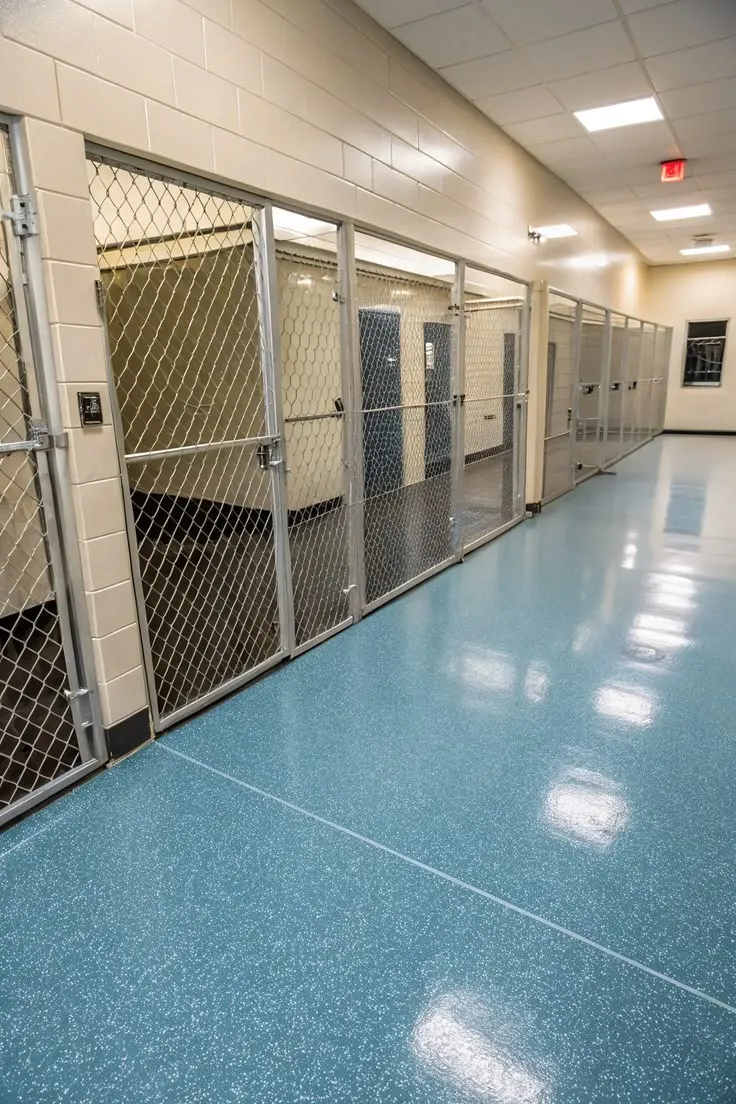
Decorative flake systems can introduce visual variation that helps create a finished commercial appearance while making minor day-to-day debris less visually dominant.
Facilities researching Veterinary Epoxy Flooring Nj should therefore consider whether public-facing areas need the same visual treatment as clinical rooms. Functional consistency does not require every part of the building to look identical.
Treatment Areas Prioritize Visibility
Treatment and procedure rooms have different priorities. Employees may need to notice fluids, dropped materials, dirt, or cleaning residue quickly.
A simpler solid-color surface can make visual inspection more straightforward because there is less pattern competing with small debris. Lighter colors can also create a brighter-looking workspace under appropriate lighting.
The exact finish should still be selected with cleaning practices, traction, and equipment traffic in mind rather than color alone.
Patterns Can Help Hide Everyday Debris
Veterinary facilities face a type of housekeeping challenge that many other commercial buildings do not: animal hair is constantly introduced into the environment.
A heavily patterned surface is not a substitute for cleaning, but visual variation can make minor hair or dust less noticeable between maintenance cycles in waiting rooms and corridors.
This may be particularly useful in high-traffic client areas where maintaining a consistently neat appearance matters throughout business hours.
Gloss Level Changes the Visual Effect
Resinous flooring can be finished with different visual characteristics. A higher-gloss surface may reflect more light and create a clean commercial appearance, while other finishes can create a more subdued look.
Managers should consider lighting conditions before choosing. Strong reflections may be desirable in some areas and unnecessary in others. The decision should also account for practical maintenance because scratches, dirt, and wear can appear differently depending on color and gloss.
Texture Comes Before Appearance
A visually attractive floor still needs appropriate traction. Veterinary environments can become wet because of cleaning, accidents, or washdowns, especially in kennel and treatment areas.
A qualified Resin Floor Contractor In New Jersey should help evaluate how texture interacts with the selected finish. Slip-resistant aggregate can change both appearance and feel, so samples should be assessed as complete systems rather than choosing color first and texture later. The goal is to balance traction with comfortable animal movement and practical cleaning.
Room Transitions Need Planning
Using different finishes in separate rooms can work well, but the transitions need to be deliberate. Doorways between reception, examination, treatment, and kennel areas naturally create points where colors or textures can change.
Poorly planned transitions can make the facility look fragmented. A coordinated palette can maintain visual consistency even when different areas use different surface treatments. Thresholds should also remain smooth enough for carts, cages, and medical equipment to move between rooms.
Maintenance Teams Should Be Consulted
Employees responsible for cleaning often understand how different floor colors behave better than anyone else. They know where pet hair collects, which areas show footprints quickly, and where disinfectant residue is most visible. Their feedback can help prevent purely decorative decisions that later create unnecessary maintenance work.
Before approving the final finish, facility managers can review sample colors with both clinical and housekeeping teams to understand how each option may perform in everyday use.
Durability Still Depends on Preparation
Color and pattern receive attention because they remain visible, but long-term flooring performance depends heavily on what happens underneath. Existing coatings, cracks, weak concrete, and contamination should be addressed before new resinous layers are installed. Mechanical preparation creates the profile required for reliable adhesion, while damaged areas may need repair. A carefully chosen decorative finish cannot compensate for an inadequately prepared substrate.
Conclusion
Veterinary flooring color should support the way individual spaces function rather than being chosen only for appearance. Decorative patterns can work well in client-facing areas, while simpler finishes may help visual inspection in treatment-oriented rooms.
The strongest design combines color, gloss, texture, lighting, cleaning, animal movement, and substrate preparation into one decision. By treating appearance as part of facility operations, veterinary managers can create flooring that looks professional while remaining practical for staff, animals, and daily maintenance.