
Why Electric Sauna Heaters Are Leading the Wellness Conversation
Interest in Electric Sauna Heaters continues to grow as more homeowners prioritize recovery, cardiovascular wellness, and long-term health. Modern wellness discussions increasingly focus on sauna heart health, sauna cardiovascular benefits, and the measurable effects of sauna and blood flow.
Clinical research from institutions in Finland and peer-reviewed journals such as JAMA Internal Medicine has linked consistent sauna use with improved cardiovascular markers. The physiological effects are not mysterious. Sauna bathing elevates heart rate, increases circulation, and stimulates vascular function in ways that resemble moderate exercise.
Understanding how these systems work and how to use them safely is essential. The following guide outlines the evidence, the practical considerations for home installation, and the real-world benefits of sauna after workout sessions.
How Sauna Impacts the Cardiovascular System
Sauna and Blood Flow
Heat exposure causes vasodilation, which means blood vessels expand. This improves circulation and reduces vascular resistance. Studies from the University of Eastern Finland have shown that regular sauna bathing is associated with improved endothelial function, a key factor in heart health.
When discussing sauna and blood flow, the mechanism is straightforward:
- Increased core temperature
- Expansion of peripheral blood vessels
- Improved circulation efficiency
- Temporary elevation in heart rate similar to light to moderate cardio activity
The American Heart Association notes that heat therapy may improve vascular function in some populations, though individuals with medical conditions should consult a healthcare professional before beginning routine sauna use.
Sauna Heart Health and Long-Term Outcomes
Long-term observational research in Finland has associated frequent sauna use with lower risk of certain cardiovascular events. While correlation does not prove causation, the findings suggest meaningful sauna cardiovascular benefits when combined with a healthy lifestyle.
Regular sessions appear to support:
- Improved blood pressure regulation
- Enhanced arterial flexibility
- Reduced systemic inflammation markers
- Better autonomic nervous system balance
These outcomes contribute to the broader conversation around sauna heart health. However, sauna bathing should complement, not replace, exercise and medical care.
10 Benefits of Sauna
The following 10 benefits of sauna use are supported by established physiological principles and published research.
1. Improved Circulation
Heat promotes vasodilation and stronger peripheral blood flow.
2. Cardiovascular Conditioning
Heart rate during sauna sessions can reach levels similar to brisk walking.
3. Muscle Recovery
Increased circulation may help remove metabolic byproducts after intense exercise.
4. Relaxation Response
Heat exposure activates the parasympathetic nervous system.
5. Temporary Blood Pressure Reduction
Post-session blood pressure often declines due to vascular relaxation.
6. Stress Reduction
Sauna bathing may lower cortisol levels in some individuals.
7. Joint and Muscle Comfort
Warmth improves tissue elasticity and mobility.
8. Enhanced Sleep Quality
Many users report improved sleep following evening sessions.
9. Sweating and Detoxification Support
Sweating assists thermoregulation and minor excretion of trace elements.
10. Routine Wellness Structure
Consistent sauna use encourages structured recovery habits.
Each of these benefits depends on proper temperature, duration, and safe installation standards.
Benefits of Sauna After Workout
Post-exercise recovery is one of the most common reasons homeowners install Electric Sauna Heaters. The benefits of sauna after workout sessions are tied directly to circulation and nervous system balance.
Muscle Recovery and Circulation
After strength or endurance training, the benefits of sauna after a workout may include improved blood flow to fatigued tissues. Increased circulation helps deliver oxygen and nutrients while supporting metabolic waste removal.
Research suggests that heat exposure following endurance training may support cardiovascular adaptations. However, intense sessions should not be immediately followed by prolonged high heat, especially without hydration.
Benefits of Sauna After Working Out: Timing Matters
The benefits of sauna after working out are best achieved when:
- Hydration levels are adequate
- Body temperature has stabilized
- Sessions are limited to 10 to 20 minutes initially
- Cooling periods are included
Gradual adaptation improves tolerance and safety. Those new to sauna use should begin conservatively.
Benefits of a Sauna After Workout for the Heart
The benefits of a sauna after workout sessions extend to cardiovascular conditioning. Heat stress temporarily elevates heart rate, reinforcing aerobic adaptations without additional joint strain.
When evaluating the benefits of a sauna after a workout, consider that heat exposure may complement endurance training. It should not replace structured cardio or resistance programs.
Sauna Blanket Benefits and Home Alternatives
Portable options have entered the market, creating interest in sauna blanket benefits and infrared sauna blanket benefits.
Understanding Sauna Blanket Benefits
Sauna blanket benefits generally include:
- Portability
- Lower initial cost
- Infrared heating exposure
- Convenience in small living spaces
Infrared sauna blanket benefits focus on radiant heat penetrating tissues at lower ambient temperatures compared to traditional saunas.
However, portable systems differ significantly from full-room installations.
Infrared Sauna Blanket Benefits vs Traditional Systems
While infrared sauna blanket benefits include accessibility and reduced energy demand, full sauna rooms powered by Electric Sauna Heaters provide:
- Even ambient heat distribution
- Higher achievable temperatures
- Better air circulation
- Authentic sauna humidity control when water is applied to stones
Traditional systems create convective heat that surrounds the body rather than heating from direct panel contact alone.
For cardiovascular stimulation and sauna cardiovascular benefits comparable to research studies conducted in Finland, traditional sauna rooms more closely replicate study conditions.
Why Electric Sauna Heaters Are the Modern Standard
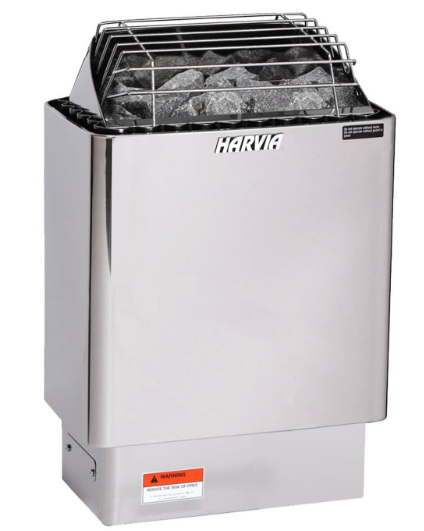
Modern Electric Sauna Heaters are widely adopted because they provide:
- Precise temperature control
- Consistent heat output
- Lower maintenance compared to wood-burning stoves
- Safe installation with built-in overheat protection
- Compatibility with digital timers and smart controls
For homeowners focused on sauna heart health and benefits of sauna after workout routines, stable temperature control is critical. Sudden fluctuations can stress the cardiovascular system unnecessarily.
Professional installation ensures correct electrical load management, ventilation planning, and stone placement for optimal performance.
Safety Considerations for Cardiovascular Wellness
Sauna use is generally safe for healthy adults. However, evidence-based guidelines recommend caution for individuals with:
- Unstable heart conditions
- Severe aortic stenosis
- Recent myocardial infarction
- Uncontrolled hypertension
The American Heart Association and Mayo Clinic advise consulting a physician before beginning sauna therapy when cardiovascular disease is present.
Hydration is essential. Alcohol should be avoided before and during sessions. Gradual cooling periods reduce sudden blood pressure changes.
Integrating Sauna Into a Heart-Healthy Routine
To maximize sauna cardiovascular benefits:
- Use sessions 3 to 4 times per week.
- Limit duration to 10 to 20 minutes.
- Allow cooling intervals between rounds.
- Stay hydrated before and after sessions.
- Combine sauna with structured exercise and balanced nutrition.
The benefits of a sauna after workout routines are most noticeable when paired with strength training, aerobic conditioning, and adequate recovery practices.
Installation Considerations for Optimal Performance
Home sauna performance depends on more than the heater itself. Key factors include:
- Proper insulation
- Vapor barriers
- Vent placement
- Correct heater sizing relative to room volume
- Appropriate stone quantity and quality
Undersized systems reduce sauna and blood flow stimulation because temperatures may not reach therapeutic ranges. Oversized systems can create uncomfortable heat spikes.
Professional planning ensures consistency, safety, and durability.
Conclusion
The science behind sauna heart health continues to develop, but current research supports meaningful sauna cardiovascular benefits when used responsibly. Improved sauna and blood flow responses, structured recovery habits, and relaxation benefits make sauna bathing a practical addition to modern wellness routines.
The 10 benefits of sauna use outlined above reflect physiological principles rather than marketing claims. Whether evaluating sauna blanket benefits or full-room systems powered by Electric Sauna Heaters, informed decisions should prioritize safety, consistent temperature control, and professional installation standards.
When integrated properly, the benefits of sauna after workout sessions can support recovery and cardiovascular conditioning without replacing exercise or medical care.