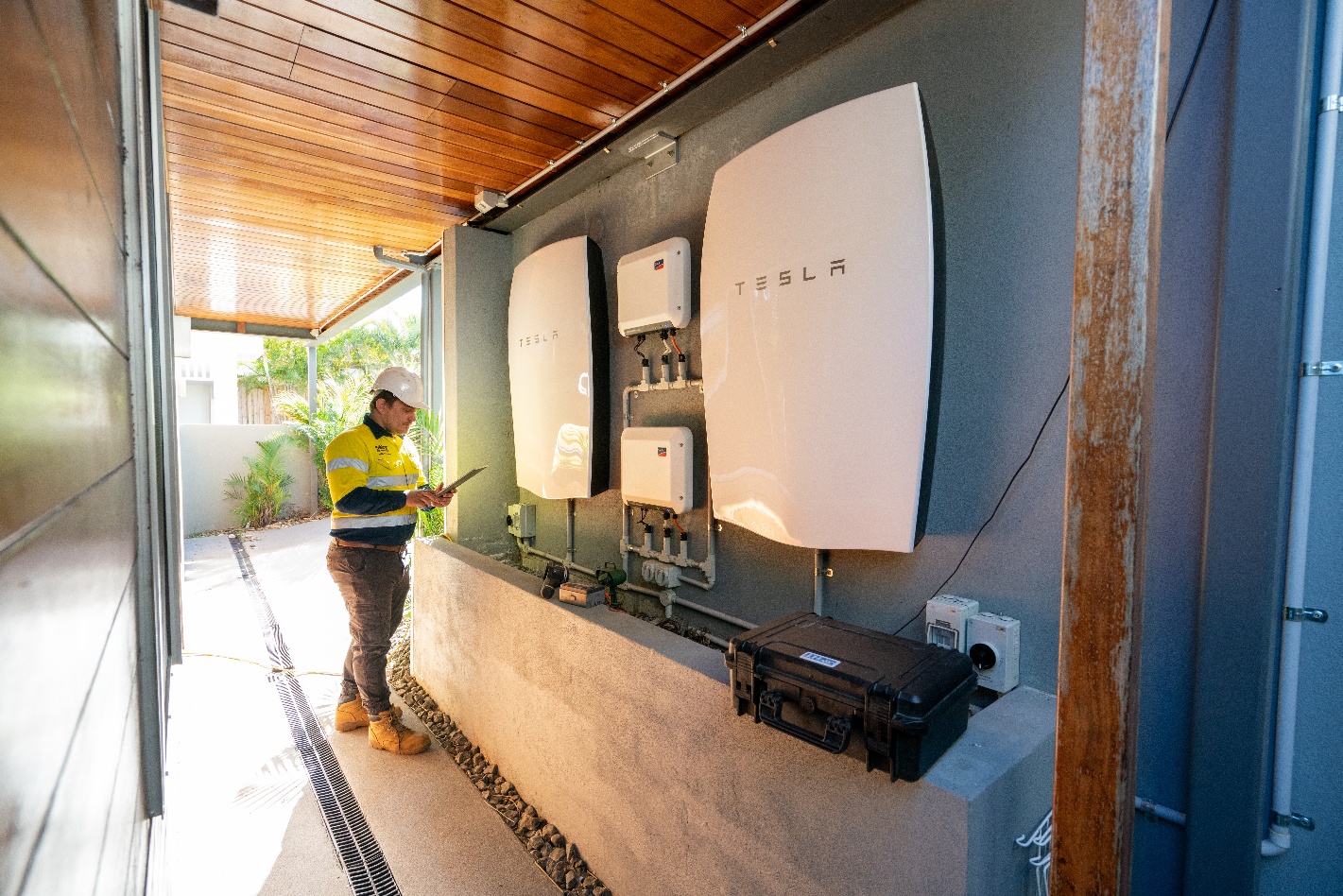
A residential solar system can operate reliably for many years, but like any electrical system, it is not immune to faults. Solar panels, inverters, cables, isolators and mounting components are continuously exposed to heat, rain, wind and changing environmental conditions. Over time, individual components can deteriorate, causing the system to produce less electricity or stop working altogether.
Understanding the most common causes of solar system failures helps homeowners respond quickly, minimise downtime and avoid unnecessary system replacement. In many cases, a qualified technician can identify the faulty component, complete the required repair and restore the existing system to safe and efficient operation.
Inverter Faults and Shutdowns
the home. If the inverter develops a fault, the entire solar system may stop generating electricity, even though the panels themselves remain in good condition.
Warning lights, fault codes, unusual operating sounds and repeated system shutdowns can all indicate an inverter problem. Some issues are temporary, while others require professional repair or replacement.
A qualified technician can review the inverter’s fault history, test its performance and determine whether it is the true source of the problem before recommending repairs.
Damaged Wiring and Loose Connections
Solar systems rely on electrical cables and connections to safely transfer energy from the rooftop panels to the inverter and household switchboard. Heat, moisture, pests and normal ageing can all affect these components over time.
Loose or deteriorating electrical connections may cause intermittent shutdowns, reduced energy production or electrical safety concerns.
Because solar equipment can remain energised during daylight hours, homeowners should never attempt to inspect or repair wiring themselves. Professional testing is essential to locate and repair electrical faults safely.
Solar Panel Damage and Reduced Energy Output
Solar panels are designed to withstand outdoor conditions, but severe storms, hail, falling branches and accidental impacts can still cause physical damage. Cracked glass, damaged solar cells and moisture ingress may affect an individual panel or reduce the performance of a larger section of the solar array.
The solar system may continue operating despite the damage, making the issue difficult to detect without monitoring data or professional testing. Homeowners arranging Solar System Repairs in Sunshine Coast should advise their technician of any recent storms, visible panel damage or sudden changes in energy generation to help identify the most likely cause of the fault.
Isolator and Switch Failures
Solar isolators and switches are critical safety components within every solar installation. Over time, they can deteriorate due to heat, moisture, corrosion and normal ageing.
A damaged isolator may prevent the system from operating correctly and should always be assessed promptly. Warning signs may include discolouration, unusual burning smells, visible deterioration or repeated system shutdowns. These components should only be inspected and repaired by qualified professionals, as incorrect handling can create serious electrical hazards.
Shading, Dirt and Environmental Factors
Not every reduction in solar performance is caused by faulty equipment. Trees can grow and create new areas of shading, while dust, leaves, pollen and bird droppings may accumulate on the surface of the panels. Coastal environments may also accelerate corrosion and the deterioration of exposed components. Professional cleaning can improve energy generation when contamination is the primary cause of reduced performance, but it cannot resolve electrical faults or equipment failures.
A comprehensive solar assessment should consider both environmental influences and technical issues before any repairs are recommended.
How Professional Solar Technicians Diagnose Faults
Accurate diagnosis is the most important part of any solar repair. A qualified technician may inspect the solar panels, inverter, electrical wiring, mounting hardware, isolators and system connections while reviewing generation history and monitoring data to determine when the issue first developed.
This process helps identify whether the decline in performance occurred gradually or resulted from a sudden fault. Professional Residential Solar Repair Services in Australia should provide clear findings, explain the recommended work and distinguish urgent safety concerns from issues that can be monitored.
Repair Before Replacing
A solar system failure does not automatically mean the entire installation needs replacing. In many cases, replacing a faulty inverter, damaged cable, isolator or individual solar panel is enough to restore normal system performance.
A repair-first approach helps homeowners maximise the value of existing equipment, reduce unnecessary costs and avoid replacing components that continue to operate safely. Complete system replacement may be appropriate when damage is extensive, compatible replacement parts are no longer available or the installation cannot be repaired safely. However, it should never be the default recommendation without a thorough assessment.
How to Help Prevent Future Solar System Failures
Homeowners can reduce the risk of unexpected breakdowns by monitoring their solar system regularly and responding promptly to warning signs. Unexplained increases in electricity bills, repeated inverter fault codes, missing monitoring data and sudden drops in energy generation should all be investigated as early as possible.
Professional inspections are also recommended following severe weather events, roof repairs or long periods without servicing. Identifying minor issues early can prevent them from affecting other components or developing into more costly repairs.
Conclusion
Residential solar systems can experience faults for many reasons, including inverter failures, damaged wiring, panel defects, isolator issues and changing environmental conditions. The underlying cause is not always visible, making professional diagnosis an essential part of the repair process.
By choosing a repair-first solar service provider, homeowners can restore existing equipment wherever practical and avoid unnecessary system replacement. Timely inspections, accurate fault diagnosis and targeted repairs help keep solar systems operating safely, efficiently and reliably for many years to come.

