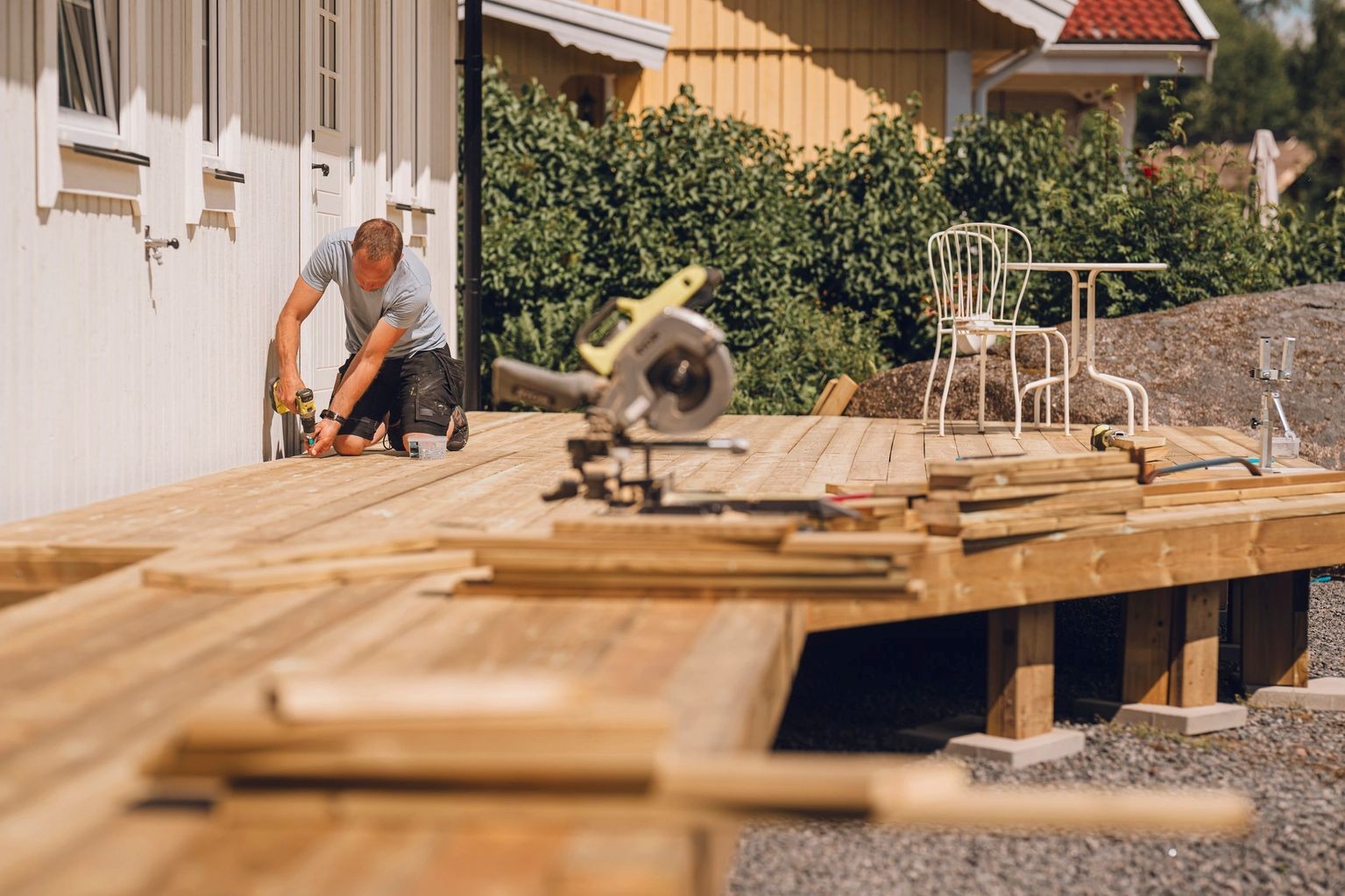
Outdoor repairs have a habit of appearing together. A deck board starts to feel soft, a railing becomes loose, and a section of fence begins leaning after a storm. None of these problems may seem urgent on its own, but ignoring several at once can make the yard harder to use and more expensive to maintain later.
The challenge is deciding where to begin. Homeowners do not always need to repair everything at the same time. Looking at safety, moisture damage, structural movement, and how each area is used can help create a practical order for the work.
Start With Anything That Affects Safety
A loose fence panel may be annoying, but an unstable deck stair or railing deserves attention first. Areas that people walk on, lean against, or use every day should move to the top of the list when they begin to feel weak.
Homeowners considering Deck Repair Covington GA should pay attention to movement underfoot, loose fasteners, damaged steps, and boards that feel unusually soft. These signs do not automatically mean the entire deck needs rebuilding, but they are worth checking before regular use continues.
Water Damage Can Spread Quietly
Georgia weather puts exterior wood through repeated cycles of heat, humidity, and rain. Water tends to collect around joints, posts, stairs, and places where leaves or dirt hold moisture against the surface.
Peeling paint or discoloration can be an early warning rather than just a cosmetic problem. If the wood underneath has started to soften, covering it with another coat of paint will not solve the cause. Finding where moisture is entering gives the repair a better chance of lasting.
A Leaning Fence Tells You Something
Fences rarely start leaning for no reason. A post may have loosened in the soil, wood may be deteriorating near ground level, or repeated wind exposure may have weakened a section over time.
Working with a Fence Builder Covington GA can help determine whether a few posts or panels can be repaired or whether a larger section has reached the end of its useful life. Repairing the cause is more useful than repeatedly straightening the visible problem.
Check the Areas You Use Most
A backyard feature that is used every weekend deserves different attention from a fence section hidden behind a storage shed. Think about where family members, guests, pets, and children actually spend time.
A deck used for meals or gatherings should feel solid and comfortable. A fence that keeps pets inside the yard also has a practical job beyond appearance. Usage can help decide which repair should happen first when the budget does not allow everything to be completed immediately.
Repairing One Area May Reveal Another Problem
Outdoor structures connect to the rest of the property more than homeowners sometimes realize. Removing a damaged deck board may expose deteriorated framing underneath, while replacing a fence post may reveal poor drainage around that part of the yard.
This does not mean every repair will become a major project. It simply means the scope should stay flexible until the damaged area can be properly seen. Setting aside a little room in the budget for unexpected findings can make the process less stressful.
Know When Patching Stops Making Sense
Replacing one or two worn boards can be reasonable when everything around them is sound. Repeating the same repair across several parts of a structure may tell a different story.
Look at how often work has been needed over the last few years. If railings, posts, boards, or panels keep failing in different places, a larger repair or replacement plan may offer better value than continuing with isolated patches.
Make Maintenance Part of the Decision
Once an outdoor repair is finished, a little routine care can help protect the investment. Clear leaves from areas where moisture collects, keep vegetation from pressing against fences, and look over fasteners and exposed wood from time to time.
These checks do not take long. Spotting a loose board in spring is much easier than dealing with a larger damaged section after another season of rain, heat, and regular use.
Conclusion
Decks and fences age differently, so there is no single rule about which one should be repaired first. Safety issues, water damage, daily use, and structural movement provide better guidance than appearance alone.
If you’re looking for outdoor repair or improvement services in Covington, you can check out abclabors.com. A careful inspection and a sensible order of priorities can make it easier to improve the yard without turning every repair into one oversized project.