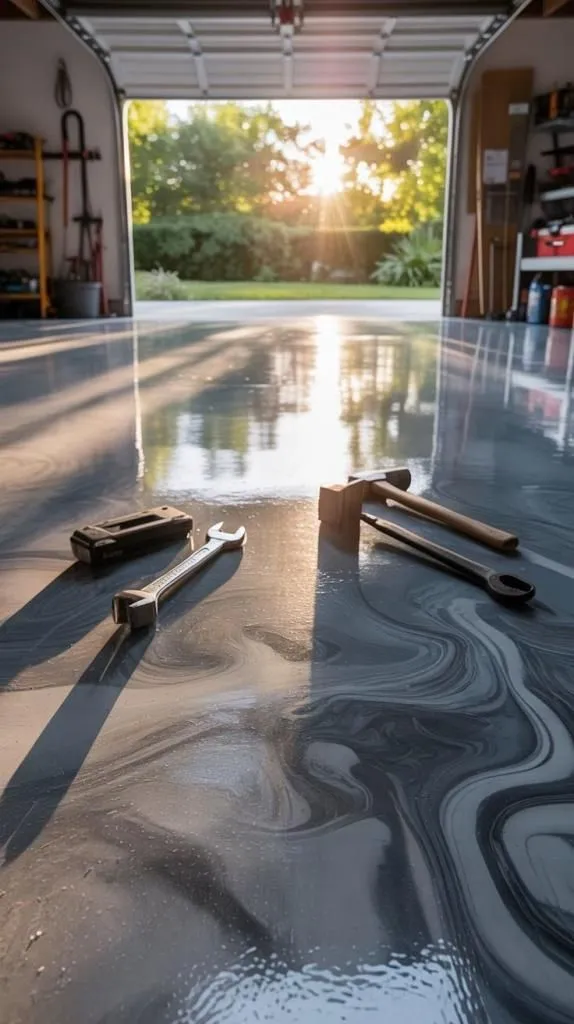
A garage in coastal South Carolina experiences more than routine parking activity. Vehicles bring in sand, rainwater, and road debris, while open doors expose concrete to sunlight and humid air. These conditions can make unfinished floors difficult to keep presentable. Homeowners considering garage floor coating charleston sc options should focus on the way their garage operates throughout the year. The right preparation, finish, and care plan can create a practical space without sacrificing its appearance.
Sand and Vehicle Traffic Create Daily Wear
Coastal sand travels easily into garages on shoes, tires, bicycles, and beach equipment. When abrasive particles remain beneath moving vehicles or heavy storage items, they can gradually scratch protective finishes. A regular cleaning routine is important even after a professional coating has been installed.
Automotive fluids present another concern. Bare concrete can absorb oils and other liquids, leaving stubborn stains. A suitable resin coating helps protect properly prepared concrete and makes many spills easier to remove. Chemical resistance varies, however, so prompt cleanup remains essential.
Pay Attention to the Garage Entrance
The area just inside an open garage door can receive direct sunlight for hours. Some epoxy materials may discolor with prolonged ultraviolet exposure, making a compatible UV-resistant topcoat worth discussing when selecting an installation system.
Rainwater tracked indoors creates different challenges. Puddles near the entrance can make smooth surfaces slippery, especially when mixed with dust. Homeowners should ask about appropriate traction additives or textures, while also checking door seals and exterior drainage. A coating cannot prevent water from entering through a poorly managed threshold.
Choose a Finish That Fits Everyday Use
Decorative flake systems offer visual variation that may make minor everyday marks less noticeable. Solid colors create a simpler appearance, while metallic finishes produce more dramatic patterns. The best option depends on storage, workshop activities, lighting, and personal preferences.
Color samples are more useful when viewed near the garage itself. A dark finish may appear striking under showroom lights but feel quite different in a dim enclosed space. Reflectivity and texture also matter when homeowners move equipment or work close to the floor.
Plan the Installation Before Moving Everything
Surface evaluation should come before material selection. Existing cracks, previous coatings, oil contamination, and moisture concerns can affect adhesion. Mechanical grinding and suitable repairs may be needed before applying resin materials.
A practical pre-installation checklist includes:
-
Identify cracks, stains, and damp areas.
-
Arrange temporary parking for household vehicles.
-
Move stored belongings and protect nearby items.
-
Confirm the selected finish and traction requirements.
-
Ask when walking and vehicle access can resume.
These arrangements minimize confusion while allowing installers access to the concrete. Homeowners should also ask whether unexpected repairs might change the agreed schedule.
Understand the Professional Coating System
Professional garage flooring charleston services should explain each installation stage, not just the final color. Diamond grinding creates an appropriate surface profile, while concrete repairs address defects that could compromise the coating.
Carolina Flooring Specialists describes a Charleston system using 100% solids epoxy, decorative flake options, and a UV-resistant polyaspartic clear coat. Its published two-day installation schedule is useful for planning, but property owners should confirm the exact curing and vehicle return times for their specific project.
Keep the Floor Ready for Coastal Seasons
After installation, sweeping sand and grit from the floor helps reduce unnecessary abrasion. Mild, coating-compatible cleaning products are preferable to harsh solvents or abrasive tools. Furniture pads beneath cabinets and careful movement of heavy equipment can also help protect the finish.
After periods of heavy rain, check for water collecting near garage doors or along slab edges. Recurring moisture deserves investigation rather than repeated surface cleaning. Keeping drainage outlets clear and inspecting high-traffic areas helps preserve a tidy, usable garage throughout the year.
Conclusion
An effective garage upgrade should reflect coastal conditions, including sand, intermittent moisture, vehicle traffic, and sunlight. Choosing appropriate materials and understanding preparation requirements can improve everyday practicality without relying solely on decorative appearance. Consistent cleaning and attention to drainage remain important after installation. Homeowners in Charleston, Mount Pleasant, Summerville, and nearby South Carolina communities can explore the garage coating options described at carolinaflooringspecialists.com when planning a project suited to their property.
