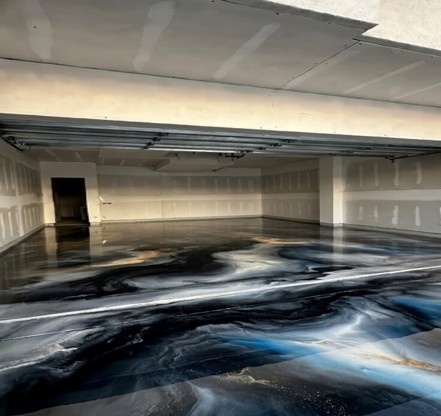
Bare concrete garages age fast, faster than most people think, until they’re on their knees scrubbing an oil stain that’s been there since 2019. Cracks creep in without warning. Dust lifts off the surface every single time a tyre rolls through. That’s where garage resin flooring comes in, not as another patch job but an actual fix. It seals the floor, buries the vintage loss underneath, and leaves a gap that one undoubtedly thinks about closely. Homeowners are now weighing this against a complete overhaul, wondering if a coating can really take every day as it is placed on top of gears, tyres and everything else that lives in the garage.
Why Old Floors Break Down
Concrete wasn’t built for decades of tyres, dropped spanners, and the odd spilt tin of brake fluid. Moisture creeps up from underneath too, quietly, and over the years that pressure widens tiny cracks until dust just starts lifting off by itself. Paint peels within a winter, sometimes less, because concrete moves with temperature and thin coatings can’t keep up with that. Once a crack opens, water gets in, freezes, expands. Repeat that enough winters and the floor needs way more than a patch job.
What A Resin Coating Fixes
The resin system actually bonds to the concrete rather than sitting on top of it, much like paint does. That bond closes hairline cracks, blocks rising moisture, leaves behind oil, brake fluid, salt, anything that shrugs up. No seams either, not like tiles, so there is nowhere for the frame to cover up and grow over the years. Dust just stops happening, more or less. A lot of owners mention the garage smelling less damp within days, since the coating stops moisture creeping up from the slab underneath.
Cost Against Long Term Value
Price comes up first, always, and that’s fair enough; nobody hands over cash blind. A full garage floor resurfacing job costs more upfront than a tin of paint, no getting around that one. But paint needs redoing every year or two, while a decent resin floor can go ten years, sometimes longer, without a second thought. Factor in the dust damage avoided on stored tools or a car sitting there, and the numbers shift pretty quickly. Most people recoup that price gap within three or four years.
Handling Daily Garage Wear
A garage floor takes abuse that a living room floor never will, not even close. Jacks get dropped. Tyres drag grit across the surface. Toolboxes get dragged instead of lifted, because who has the energy at 6 pm on a Friday? Resin coatings are built for exactly that, with a hard top layer that resists scratching and impact way better than paint or bare screed manage. Chemical spills wipe up clean without soaking in, which matters more than it sounds, right up until the first oil leak happens on a Tuesday morning.
Installation Time and Mess
Most jobs wrap up in one to three days, give or take, depending on the floor size and how much prep the old surface needs first. Cracked or oily concrete takes longer to grind back before resin even goes down. Curing time varies too. Some products handle light foot traffic within a day, though full vehicle weight usually wants a week before it’s properly safe. Dust extraction keeps the mess contained during grinding, so the rest of the garage rarely needs covering up or clearing out beforehand.
Picking The Right Finish
Not every resin system fits every garage. Flake finishes hide small imperfections nicely and add grip, handy for anyone parking in wet weather often. Solid colour finishes look sleeker on day one but show scuffs sooner, better for garages used mostly for storage rather than daily driving in and out. Anti-slip additives matter a lot for a workshop setup, since oil on a smooth floor turns dangerous fast. A decent installer asks about actual daily use first, rather than just pushing whatever’s easiest to sell.
Conclusion
Garage floors take more punishment than almost any other surface in a house, and bare concrete was never really built for that long term. Resin systems close that gap, cutting dust, blocking stains, holding up under years of tyres and dropped tools without needing constant attention. Whether the goal is resale value, a cleaner workshop, or just somewhere the car feels less like a building site, resurfacing tends to pay for itself over time, often quicker than people expect. Anyone weighing it up can find more guidance through garageupgrade.co.uk before settling on a finish.


