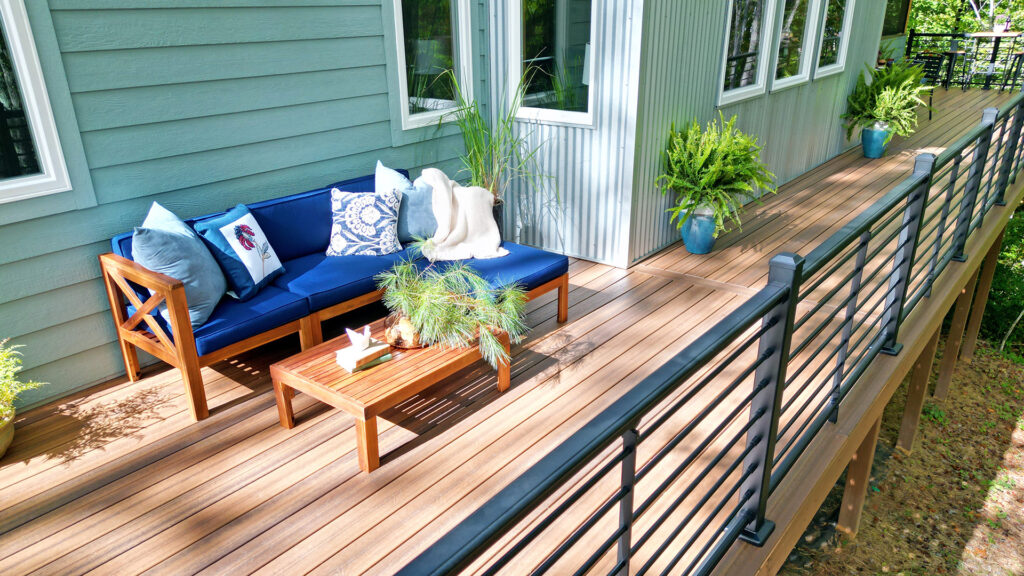
Luxury home design has always been about more than just appearance. It’s about longevity, , and a certain timeless character that can’t be faked. Recently, a noticeable shift has been happening in high-end construction circles. Architects and contractors—people who rarely follow trends blindly—are moving away from composite materials and returning to something far mcraftsmanshipore traditional: hardwood.
At first glance, this may seem surprising. Composite decking has been marketed for years as the low-maintenance, modern solution. However, when it comes to luxury home construction, priorities are different. Homeowners investing in premium builds want authenticity, durability, and a finish that ages gracefully. That’s where hardwood decking for construction projects is quietly reclaiming its place.
Let’s unpack why this shift is happening and why hardwood is once again becoming the preferred choice for high-end builds.
The Return to Natural Materials in Luxury Construction
There’s a broader trend happening across architecture and design—one that favors natural, organic materials over synthetic alternatives. Whether it’s stone countertops, solid wood flooring, or handcrafted finishes, clients are seeking authenticity.
Hardwood fits perfectly into this movement.
Unlike composite boards, hardwood decking offers:
- A genuine wood grain texture
- Natural color variation
- A warm, organic feel underfoot
In luxury projects, these details matter. Architects are increasingly specifying hardwood decking for construction projects because it aligns with the overall design philosophy of authenticity and craftsmanship.
Superior Aesthetic Appeal
The Beauty You Can’t Replicate
Composite decking has improved over the years, but even the best versions struggle to match the depth and richness of real hardwood.
Hardwoods like teak, ipe, mahogany, and cumaru provide:
- Deep, natural tones
- Unique grain patterns
- A premium, high-end finish
These materials develop a graceful patina over time, adding character rather than losing appeal.
Why Designers Prefer Hardwood
From a design perspective, hardwood allows for greater flexibility. It pairs seamlessly with glass, steel, and stone elements commonly used in luxury homes. The visual warmth of wood softens modern architecture, creating a balanced and inviting environment.
This is a major reason why hardwood decking for construction projects continues to dominate upscale builds.
Durability That Matches Luxury Standards
Built to Last for Decades
Luxury homeowners are not looking for quick fixes. They want materials that stand the test of time.
High-quality hardwood decking offers:
- Exceptional resistance to wear and tear
- High density that prevents dents and scratches
- Long lifespan—often 25 to 50 years with proper care
In contrast, composite decking can fade, warp, or develop surface damage over time, especially in extreme climates.
Natural Resistance to the Elements
Many hardwood species naturally resist:
- Moisture and rot
- Termites and insects
- Mold and mildew
This makes hardwood decking for construction projects particularly suitable for outdoor environments where durability is critical.
Structural Strength and Performance
Hardwood isn’t just about looks—it’s incredibly strong.
Key Performance Benefits
- High load-bearing capacity
- Resistance to bending and sagging
- Stability in temperature fluctuations
For contractors, this reliability reduces long-term maintenance issues and callbacks. For architects, it ensures that the design remains intact for years.
This structural integrity is one of the core reasons professionals trust hardwood decking for construction projects in high-value builds.
Sustainability and Environmental Value
A Shift Toward Responsible Sourcing
Sustainability is no longer optional in modern construction—it’s expected.
Many hardwoods used today come from:
- FSC-certified forests
- Sustainable forestry practices
- Responsibly managed supply chains
When sourced correctly, hardwood can actually have a lower environmental impact than composite materials, which are often made from plastics and chemical binders.
Longevity Reduces Waste
Because hardwood decking lasts significantly longer, it reduces the need for replacement. This contributes to:
- Lower material consumption
- Reduced landfill waste
- Better lifecycle sustainability
As a result, hardwood decking for construction projects aligns well with eco-conscious building strategies.
Maintenance: The Misunderstood Factor
One of the biggest selling points of composite decking has always been “low maintenance.” However, this advantage is often overstated.
Hardwood Maintenance Reality
Yes, hardwood requires maintenance—but it’s manageable:
- Occasional cleaning
- Periodic oiling (if maintaining original color)
- Minimal repairs due to strength
Many luxury homeowners actually appreciate this level of care because it preserves the natural beauty of the material.
Composite Isn’t Maintenance-Free
Composite decking can still require:
- Cleaning to prevent mold buildup
- Repairs for surface scratches
- Replacement of damaged boards
Over time, the maintenance gap between composite and hardwood is not as large as it seems.
Cost vs. Value in Luxury Projects
Upfront Cost Comparison
Let’s be honest—hardwood decking typically costs more upfront than composite.
However, in luxury construction, decisions are rarely based on initial cost alone.
Long-Term Value
Hardwood delivers better value over time due to:
- Longer lifespan
- Higher resale value
- Premium aesthetic appeal
Here’s a simple comparison:
|
Feature |
Hardwood Decking |
Composite Decking |
| Lifespan | 25–50 years | 10–25 years |
| Aesthetic Quality | Natural, premium | Manufactured look |
| Maintenance | Moderate | Moderate |
| Environmental Impact | Lower (if certified) | Higher (plastic-based) |
| Resale Value | Higher | Moderate |
This explains why hardwood decking for construction projects is often seen as a smarter investment in high-end homes.
Customization and Craftsmanship
Luxury homes are rarely “standard.” Every detail is carefully curated, and decking is no exception.
Design Flexibility
Hardwood allows for:
- Custom cuts and patterns
- Unique layouts and inlays
- Seamless integration with architectural elements
Composite decking, on the other hand, is limited by manufactured dimensions and finishes.
Artisan Appeal
There’s something undeniably appealing about handcrafted woodwork. It reflects skill, effort, and attention to detail—qualities that resonate strongly in luxury construction.
This level of customization is another reason architects lean toward hardwood decking for construction projects.
Heat Resistance and Comfort
In warmer climates, decking material can significantly impact comfort.
Hardwood Advantage
Hardwood tends to:
- Stay cooler under direct sunlight
- Provide a more comfortable surface for barefoot walking
Composite Drawback
Composite decking can absorb and retain heat, making it uncomfortable during hot weather.
For outdoor living spaces, this difference matters more than most people expect.
Aging Gracefully Over Time
One of the most underrated qualities of hardwood is how it ages.
Natural Patina Development
Over time, hardwood develops a silvery-gray patina that many homeowners find attractive. Alternatively, it can be maintained to preserve its original color.
Composite Aging Issues
Composite materials often:
- Fade unevenly
- Lose their original finish
- Show signs of wear more visibly
This ability to age beautifully reinforces the appeal of hardwood decking for construction projects.
Industry Trends and Professional Preferences
What Architects Are Saying
Architects increasingly prefer materials that:
- Enhance design authenticity
- Offer long-term performance
- Align with sustainable practices
Hardwood checks all these boxes.
Contractor Perspective
Contractors favor hardwood because:
- It’s reliable and predictable
- It reduces long-term issues
- It satisfies high-end clients
As a result, hardwood decking for construction projects is becoming a standard choice rather than a niche preference.
Common Hardwood Options Used in Luxury Decking
Here are some of the most popular hardwoods used today:
Ipe
- Extremely dense and durable
- Rich brown color
- Long lifespan
Teak
- Naturally resistant to moisture
- Elegant golden tones
- Minimal maintenance
Cumaru
- Cost-effective alternative to Ipe
- Strong and resilient
- Attractive grain
Mahogany
- Classic appearance
- Smooth texture
- Easy to work with
Each of these options supports the growing demand for hardwood decking for construction projects.
When Composite Still Makes Sense
To be fair, composite decking isn’t without its place.
It may be suitable for:
- Budget-conscious projects
- Low-traffic areas
- Temporary installations
However, in luxury construction, where quality and longevity are non-negotiable, hardwood consistently outperforms.
Final Thoughts: Why Hardwood Is Winning Again
The resurgence of hardwood in luxury home construction isn’t just a trend—it’s a return to fundamentals.
Homeowners, architects, and contractors are recognizing that:
- Authentic materials create lasting value
- Durability matters more than convenience
- Beauty should improve over time, not fade
In this context, it’s easy to see why hardwood decking for construction projects has become the preferred choice once again.
Conclusion
Choosing the right decking material is a critical decision in any construction project, especially in the luxury segment. While composite decking offers convenience, it often falls short in areas that truly matter—authenticity, longevity, and aesthetic excellence.
Hardwood, on the other hand, delivers a complete package. It combines natural beauty, structural strength, sustainability, and long-term value in a way that few materials can match.
If you’re planning a high-end build or renovation, it’s worth considering what professionals already know: hardwood decking for construction projects isn’t just a material choice—it’s an investment in quality, style, and enduring appeal.
What are your thoughts on hardwood versus composite decking? Share your perspective and join the conversation.

