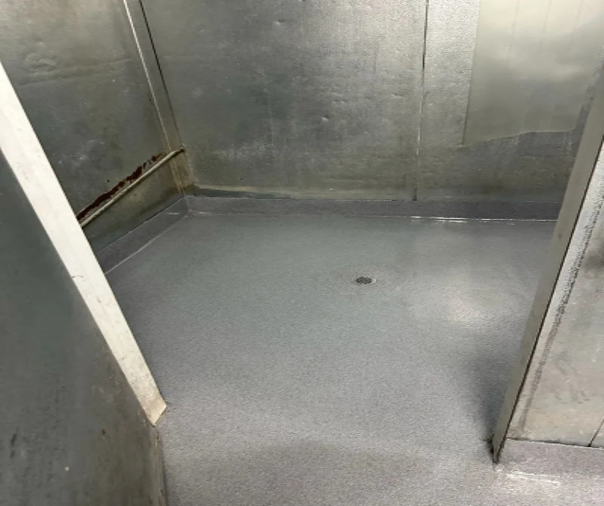
You see a lot of industrial spaces that just completely give up on their floors after a few years because concrete cracks so easily. When you are looking at options for fixing up a warehouse or a commercial kitchen, polyurethane cement is usually the one thing that actually holds up against extreme thermal shock and heavy forklift traffic. Most people just throw down some cheap paint, but that always peels off within months when hot water washes hit the surface. This specific material blends polyurethane resin with Portland cement, which creates a crazy strong bond that expands and contracts at the exact same rate as the underlying concrete block.
Why This Specific Mix Works
Choosing the appropriate land route should consider what chemicals you are releasing onto the ground every single day. A lot of plant-based food manufacturing loves using polyurethane cement because it resists natural acids, greases, and nasty cleaners that fry right through conventional seals. If you’ve ever found a visibly aged floor that looks all gross and yellow, this is because they absolutely missed the cement-slurry hybrid mix. That gives you a seamless finish, which means there’s virtually nowhere for bacteria to take cover and multiply when things get messy at some stage of production.
Epoxy Floor Coating Basics
Now if you don’t want the crazy level of heat resistance, you can check out the epoxy floor coating machine as an alternative to the fashion areas. It offers an exceptionally smooth, lovely floor that reflects soft light indeed well and keeps your garage or showroom looking sharp. You just mass-mix the resin and hardener before spreading it before the chemical reaction turns the whole bucket into solid rock. It bonds mechanically and chemically to open concrete pores, which gives you a very durable top coat.
Preparing Your Concrete Right
You can’t just drop those chemicals on a dusty floor and imagine them there for more than a week. You will need to use a standard concrete profile grinder or shot blower to really let the liquid sink deep. If old oil, grease, or hardener gets stuck in the holes, your expensive epoxy floor coating will just bubble and peel off. Taking the time to patch every visible crack before mixing your product will save you a huge headache later.
Comparing Liquid Floor Options
Weight and Impact Limits
It really comes down to what kind of abuse your floor is going to take from your daily operations and machinery. For extreme heat, thermal cycling, and heavy impact, polyurethane cement is always going to outperform almost everything else on the industrial market today. Standard epoxies are fantastic for sleek looks, clean environments, and general scratch resistance, but they can crack under intense, sudden temperature drops. You have to evaluate your specific budget alongside your long-term durability needs before buying any chemicals.
Installation Mistakes to Avoid
Moisture rising up through a concrete slab is the absolute number one killer of industrial floor coatings everywhere. You need to run a simple calcium chloride test to see how much water vapor is pushing up through the ground before mixing anything. If the moisture levels are way too high, even a premium epoxy floor coating will fail because the trapped water pressure forces the film right off the concrete. Applying a dedicated moisture mitigation primer beforehand is the only real way to prevent this specific disaster.
Long Term Floor Maintenance
Taking care of these industrial floors is actually quite simple if you stay away from using the wrong kind of cleaning tools. Now, you don’t want to use harsh wire brushes or special sandpapers that can dull the vibrant finish over time. Regular wiping with an independent pH cleaner maintains a modern look by stripping away the protective top layer of each polyurethane cement floor and resin layer. Simply grasping the abrasive lotion and grit every day prevents the shine from being ruined by microscopic scratches.
Conclusion
Investing in the right floor system prevents costly operational downtime and keeps your industrial workspace running safely for years to come. The team at rhynopoxycoatings.com can help you evaluate your specific slab conditions to choose the perfect chemical formulation for your facility. Balancing your budget against the actual chemical exposures and weight loads ensures you get a surface that performs perfectly under pressure. Selecting between polyurethane cement and traditional resin coats depends entirely on your environment. Please reach out to our specialists today to discuss your next commercial flooring project.