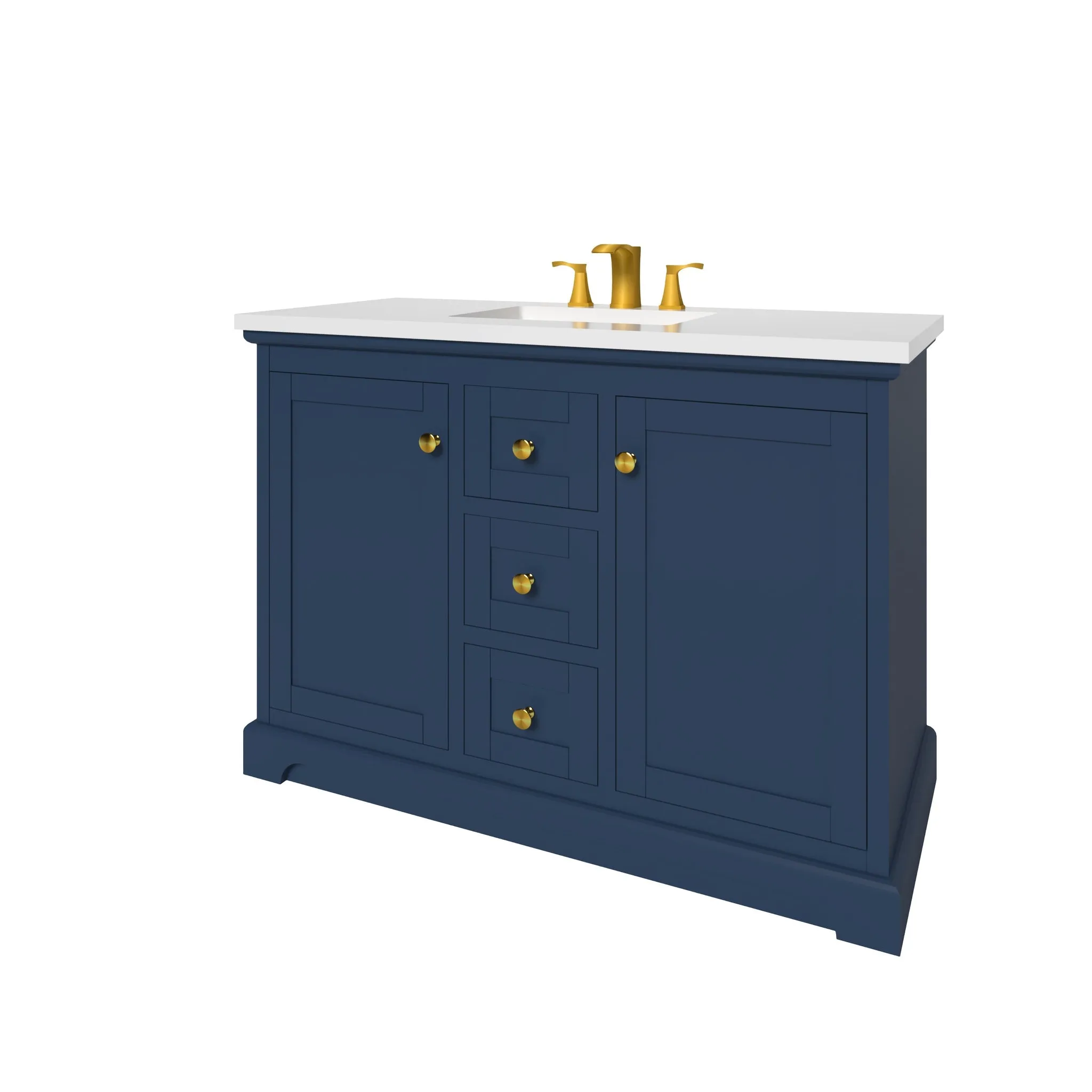
Bathroom renovations in Atlanta require thoughtful planning to balance interior design, practical storage, and long-term functionality. Whether updating a traditional suburban residence or renovating a modern condominium, selecting suitable cabinetry can influence both convenience and visual appeal. Homeowners exploring Bathroom Vanities Atlanta retailers should evaluate cabinet dimensions, material quality, countertop selections, and local purchasing options. Understanding these considerations helps create bathrooms that accommodate everyday routines while complementing different architectural styles and renovation budgets.
Adapting Vanity Choices to Different Homes
Atlanta’s residential properties include established traditional homes, contemporary townhouses, and modern apartments. Each property type presents different bathroom layouts and renovation requirements. Older bathrooms may have limited cabinet space, while newer primary bathrooms often accommodate wider vanities with additional storage.
Cabinet selection should reflect these differences rather than follow a single design trend. Narrow vanities can improve movement in smaller bathrooms, while double-sink configurations may support shared spaces. Appropriate proportions help maintain functionality without compromising the room’s overall appearance.
Considering Humidity and Cabinet Durability
Atlanta experiences warm, humid conditions during much of the year, making moisture management an important consideration for bathroom furnishings. Although bathrooms generate their own humidity through showers and bathing, local weather conditions can also influence indoor moisture levels when ventilation is inadequate.
Cabinets constructed with suitable materials and protective finishes are better positioned to withstand ordinary bathroom use. Plywood, solid wood, and engineered wood components offer different characteristics depending on construction quality. Proper ventilation, prompt spill removal, and regular maintenance remain essential for preserving cabinet surfaces.
Planning Dimensions and Storage Capacity
Accurate measurements determine whether a selected vanity will fit without obstructing surrounding fixtures. Cabinet width, depth, and height should be assessed alongside plumbing connections, electrical outlets, and available floor clearance. These details become particularly important when replacing an existing cabinet without relocating utilities.
Storage capacity also deserves attention because household requirements vary considerably. A shared primary bathroom may require multiple drawers, while a powder room often benefits from compact cabinetry with enclosed compartments. Selecting appropriate storage helps maintain an organized environment without unnecessarily increasing cabinet dimensions.
Features That Support Everyday Convenience
Several practical features can improve bathroom usability:
-
Soft-close drawers: Reduce abrupt closing and support quieter operation.
-
Adjustable shelving: Accommodates toiletries and cleaning products of different sizes.
-
Durable cabinet finishes: Help protect exposed surfaces during routine bathroom use.
-
Accessible compartments: Keep frequently used personal items within convenient reach.
-
Compatible countertop dimensions: Support proper fitting and installation.
These features should be considered alongside cabinet construction and overall layout. A well-designed vanity provides useful storage while maintaining comfortable access to sinks and surrounding fixtures.
Selecting Countertops for Appearance and Maintenance
Countertop materials influence the finished bathroom’s character and maintenance requirements. Quartz offers a generally nonporous engineered surface, while granite and quartzite provide natural patterns and distinctive textures. Marble can create a refined appearance but typically requires greater attention to staining and surface care.
Material selection should account for household routines, cleaning preferences, and the intended design. Buyers should also confirm countertop dimensions, sink compatibility, and whether installation accessories are included. These considerations help prevent unexpected expenses during the renovation process.
Coordinating Designs With Residential Interiors
Cabinet styles should complement the home’s architectural character and existing bathroom finishes. Traditional homes may suit paneled doors and furniture-inspired cabinetry, while contemporary interiors often benefit from streamlined profiles and understated hardware.
Painted finishes, natural wood tones, and contrasting cabinet colors provide flexibility for different design approaches. Coordinating the vanity with flooring, mirrors, lighting, and plumbing fixtures can establish visual consistency. Long-term appeal generally comes from balanced proportions and thoughtful material combinations rather than short-lived decorative trends.
Evaluating Local Purchasing and Delivery Options
Access to local bathroom supply retailers can simplify product evaluation and renovation planning. Atlanta-area homeowners may benefit from examining cabinet finishes, comparing countertop samples, and discussing product dimensions before committing to a purchase.
However, showroom displays do not always represent current inventory. Customers should verify availability, product inclusions, pickup arrangements, and delivery conditions. Reviewing these details in advance can reduce scheduling complications, particularly when multiple contractors or renovation activities must be coordinated.
Balancing Renovation Costs With Long-Term Value
A bathroom vanity’s total cost can extend beyond the cabinet purchase price. Countertops, sinks, faucets, plumbing adjustments, transportation, and installation labor may contribute to the final budget. Evaluating these expenses together allows for more realistic financial planning.
Construction quality, practical storage, and appropriate materials should guide purchasing decisions. Choosing cabinetry that meets existing needs can reduce the likelihood of premature replacements or unnecessary modifications. Long-term value depends on functionality, durability, and suitability rather than initial appearance alone.
Conclusion
Selecting a bathroom vanity in Atlanta involves balancing residential design, moisture management, cabinet quality, and renovation expenses. Careful evaluation of dimensions, finishes, and storage arrangements supports comfortable daily use and a coordinated interior. Local suppliers such as Renovate for Less provide access to bathroom vanity collections and countertop options suited to different renovation preferences. By prioritizing practical requirements alongside appearance, homeowners can create bathrooms that remain organized, functional, and attractive for years to come.