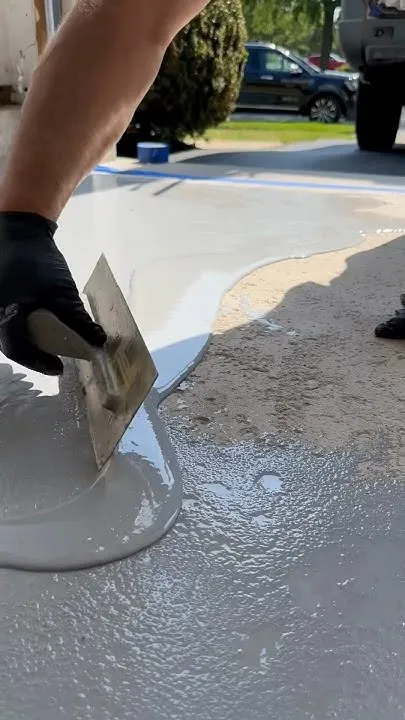
Concrete can remain functional for decades, but repeated traffic, moisture exposure, and environmental changes may eventually affect its surface. Cracks, chipped edges, and deteriorating patches often raise an important question: should the slab be repaired, coated, or replaced? Applying a concrete coating over damaged material without investigating the cause can create additional problems. Property owners should understand the condition of their concrete before investing in decorative finishes. A careful assessment helps distinguish manageable surface defects from more significant concerns requiring specialized attention.
Learn What Different Cracks Indicate
Not every concrete crack signals structural failure. Minor shrinkage cracks can develop as concrete cures, while other cracks may result from settlement, loading, or ongoing movement. Their location, width, and behavior influence the appropriate response.
Property owners should observe whether cracks are widening or creating uneven surfaces. Significant displacement, recurring movement, or damage near structural elements may require professional evaluation. Filling a crack without addressing its underlying cause may provide only temporary improvement.
Understand Spalling and Surface Deterioration
Spalling occurs when portions of the concrete surface break away or separate from the underlying material. Freeze-thaw exposure, reinforcement corrosion, and other deterioration mechanisms can contribute to this condition.
In Utah, outdoor surfaces may experience seasonal freezing and moisture exposure. However, not every damaged slab has the same cause. A contractor should assess the depth and extent of deterioration before selecting repair materials or recommending a protective finish.
Decide Whether Repair Is Sufficient
Localized chips, shallow surface damage, and certain stable cracks may be suitable for repair when the surrounding concrete remains sound. Appropriate patching materials and preparation techniques can help restore selected areas.
More extensive problems require additional investigation. Deep settlement, widespread delamination, or unstable concrete may make simple resurfacing inappropriate. Property owners should request an explanation of the proposed repair method and its expected limitations before authorizing work.
Compare Repair and Coating Requirements
Concrete repairs and protective coatings perform different functions. Repair materials address particular defects, while coatings provide surface protection and decorative characteristics over a suitable substrate.
Experienced flooring contractors should explain how the two stages work together. Surface grinding, compatible patching compounds, and moisture assessment may be necessary before applying a resin system. However, a coating cannot eliminate ongoing structural movement or correct defective drainage.
Create a Detailed Inspection Checklist
A site inspection becomes more productive when property owners document visible damage and the conditions surrounding it. Photographs and maintenance records can help contractors identify recurring problems rather than treating each defect independently.
Important observations include:
-
Crack locations, widths, and visible movement.
-
Areas showing pitting, spalling, or delamination.
-
Standing water and recurring moisture exposure.
-
Previous repairs and existing surface treatments.
-
Vehicle traffic, equipment loads, and daily use.
These details support clearer discussions about repair options. They also help identify whether the project requires additional assessment before decorative materials are selected.
Consider the Environment Around the Slab
Concrete exposed to Utah’s changing seasons may experience different stresses from indoor flooring. Outdoor patios and driveways encounter precipitation, temperature changes, and sunlight, while interior slabs may have other moisture-related concerns.
The repair specification should reflect these conditions. Products intended for interior applications may not be appropriate for exposed outdoor concrete. Contractors should verify material suitability and follow manufacturer instructions concerning temperature, preparation, and curing.
Plan Around Access and Curing Requirements
Concrete repair and coating projects may temporarily restrict access to garages, workshops, or commercial spaces. Property owners should arrange alternative routes and move equipment before work begins.
Repair products require appropriate curing before additional layers or heavy traffic can be introduced. Some coating systems also have specific recoat windows and return-to-service requirements. Rushing these stages can compromise an otherwise properly planned installation.
Maintain Repaired Concrete Over Time
Once repairs are completed, routine inspections help identify whether previously damaged areas remain stable. New cracks, continued movement, or recurring moisture should be investigated promptly. Cleaning also matters. Removing abrasive debris and using products compatible with any protective finish can reduce unnecessary surface wear. Property owners should keep repair documentation and manufacturer recommendations available for future maintenance decisions.
Conclusion
Concrete restoration begins with understanding the type, extent, and underlying cause of damage. Appropriate repairs can address selected defects, while protective coatings may improve durability and appearance when the substrate is suitable. Property owners should prioritize professional assessment, correct material selection, and realistic maintenance expectations before proceeding. Homeowners and businesses throughout Salt Lake City and surrounding Utah communities can explore concrete repair and finishing services through hardrockconcretecoatings.com when planning practical improvements to aging or damaged surfaces.
