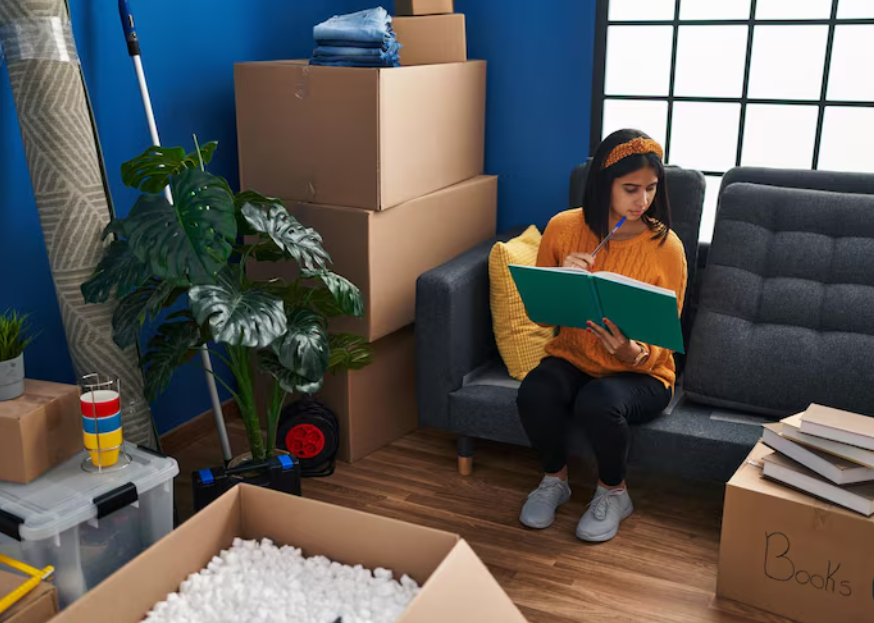
Boxes pile up faster than anyone expects. One day you own a tidy kitchen, the next it is a maze of tape and newspaper. Good packing tips for moving house turn that mess into a plan. They save time, protect your things, and keep your nerves calmer than you think.
Most people start too late. That is the usual mistake. A move looks small on paper, then the cupboards open and years of stuff fall out. Start early, work room by room, and keep it simple. This guide shows how, step by step.
Start Packing Six Weeks Early
Six weeks sounds like a lot. It is not. Begin with things you rarely use, like spare bedding, books, and winter coats. Leave daily items for the last few days. Each evening, fill one or two boxes and call it a win.
Set a small goal for each week. Week one, the loft and garage. Week two, spare rooms. Slow and steady beats a frantic last night with a roll of tape and a headache. Trust me, nobody packs well at midnight.
Gather Strong Boxes and Supplies
Cheap boxes split. Heavy books in a weak box is a bad day waiting to happen. Buy sturdy ones, or ask local shops for spare cartons. You will also need tape, marker pens, bubble wrap, and plenty of old paper.
Use small boxes for heavy things and large boxes for light things. A big box of books is nearly impossible to lift. Wrap plates on their edge, not flat, since they hold up better that way. Label as you go, never later.
Label Every Box Clearly
Labels save arguments. Write the room name on the top and the side, so you can read it when boxes are stacked. Add a short note about what is inside. Kitchen, pans and plates. Bedroom, clothes and shoes.
Mark fragile boxes in bold red. Some people use colour stickers for each room, which works well on moving day. Movers can then place boxes without asking you fifty questions. Unpacking also gets easier, because you can find the kettle first.
Follow a Reliable Moving Checklist
Packing is only half the job. Paperwork, bills, and keys all need attention too. A moving house checklist uk helps you track tasks like booking a removal van, telling the council, and passing on your new address to the bank.
Print it out or keep it on your phone. Tick things off as you go. It feels good, honestly. Add small jobs too, like cancelling the milkman or redirecting your post through Royal Mail. Little things slip through when nobody writes them down.
Pack an Essentials Bag Separately
Your first night in a new home can feel odd. The kettle is buried, the bed is in pieces, and you are tired. An essentials bag fixes that. Pack it last and carry it yourself, not on the van.
Include chargers, toiletries, a change of clothes, snacks, tea bags, and any medicine. Add a torch and a basic tool set. Keep important papers close too, like ID and tenancy or sale documents. You will thank yourself later, probably around bedtime.
Protect Fragile and Valuable Items
Some things deserve extra care. Wrap glasses one by one, then pad the gaps with scrunched paper. Pack mirrors and frames in flat boxes with cardboard corners. Take photos of electronics before unplugging them, so rewiring is easy.
Valuables like jewellery and passports should travel with you, not in the van. Check your removal firm’s insurance too. Ask what it covers and what it does not. A quick call now beats a long argument over a broken vase later.
Conclusion
A calm move comes from small, early steps. Gather strong boxes, label everything, and pack room by room. Keep a checklist handy, prepare an essentials bag, and protect fragile items. None of this is hard. It just needs a little patience and a decent pen.
For more help with your next home, visit nestlink.io and explore useful property guidance. Take your time, stay organised, and ask for help when you need it. A good plan will not remove every bump, but it will make the road a lot smoother.