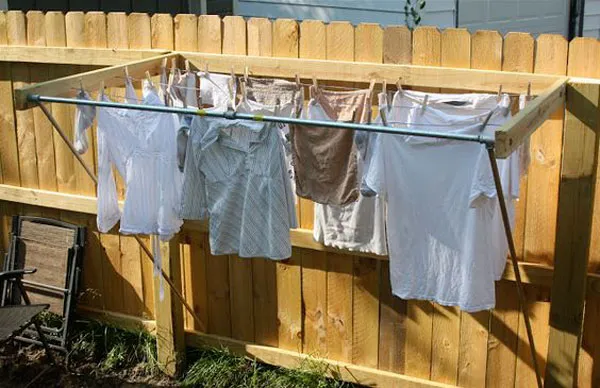
A clothesline rarely gets much attention when people plan an outdoor area. Usually, a free corner is found, the line goes up, and everyone gets on with it. The problems tend to appear later. Wet sheets block a path, the afternoon sun never reaches the line, or carrying a full washing basket across the yard becomes an annoying weekly routine.
A little planning can prevent most of this. The best drying area is not necessarily the largest or sunniest spot available. It is one that suits the household, receives useful airflow and fits into the yard without making everything else harder to use.
Watch the Yard Before Choosing a Spot
Before installing anything, spend a few days noticing how sunlight moves across the property. A corner that receives strong morning sun may be completely shaded after lunch. Fences, trees, neighbouring buildings and covered patios can all change conditions during the day.
Air movement deserves attention as well. When comparing an outdoor clothes line, think about whether the proposed position receives a breeze without being excessively exposed. Sun helps, but good airflow can also make a noticeable difference when towels and heavier garments are drying.
Think About What You Really Wash
It is easy to look at line length and assume more is always better. In practice, households use clotheslines very differently. One person might wash several small loads during the week, while a family may regularly need space for uniforms, towels and bedding at the same time.
Take a normal week as your guide. Large sheets require room to hang freely, while shirts and children’s clothes can use shorter sections efficiently. Buying around real laundry habits usually produces a better result than choosing capacity for the occasional unusually large washing day.
Walk the Route With a Laundry Basket
Distance from the washing machine matters more than it seems. Carrying wet laundry through several doors, around garden furniture or down awkward steps quickly becomes tiresome.
Walk from the laundry to the proposed location and pay attention to anything in the way. Gates should still open properly, frequently used paths should remain clear, and there should be enough room to stand comfortably while hanging clothes.
If two locations seem equally suitable, the easier one to reach will often be the better choice over time.
Choose a Design That Fits the Property
Visiting a clothesline store or comparing options online can introduce several formats, including portable, wall-mounted and ground-mounted designs. There is no single style that works best for every Australian home.
A wall-mounted model can make good use of unused vertical space, but the wall must be suitable for installation. Ground-mounted designs can suit yards where wall fixing is inconvenient. Portable options may appeal to renters or, households that want to move their washing according to weather and available space.
The property should determine the format, not the other way around.
Leave Space for Clothes, Not Just the Frame
Product measurements usually describe the equipment itself. Wet laundry makes the working area larger.
Sheets can hang well below the lines, sleeves extend beyond the frame, and someone still needs room to move while pegging everything up. Before buying, mark the proposed dimensions on the ground with temporary tape, string or household objects.
Then walk around the outline and open nearby doors or gates. This quick test can expose a cramped layout before installation makes the problem permanent.
Have a Plan for Wet Weather
No outdoor setup can guarantee suitable drying weather every day. A run of rain can quickly leave clean washing piling up indoors.
Consider where a smaller load could go when outdoor drying is not practical. A covered patio may provide some protection, while a portable setup could be moved to a well-ventilated indoor area when appropriate.
The aim is not to build a second full laundry area. Having one workable backup simply makes unpredictable weather easier to manage.
Keep the Yard Useful on Non-Laundry Days
Washing may occupy the clothesline for only part of the week, but the structure remains in the yard all the time unless it can be folded or moved.
Think about barbecues, children’s play, gardening and normal access around the property. Giving up the best section of a small courtyard for unnecessary line capacity may not be worthwhile.
A well-planned drying area should quietly fit into everyday life. When the washing comes down, the rest of the outdoor space should still feel usable.
Conclusion
Choosing a clothesline is partly about drying capacity, but placement can matter just as much. Sunlight, airflow, access, clearance and normal household routines all influence whether the setup remains convenient after the novelty wears off.
Australian households looking for practical drying solutions can explore different configurations and options through balconyclothesline.com.au before deciding what best suits their available space.
