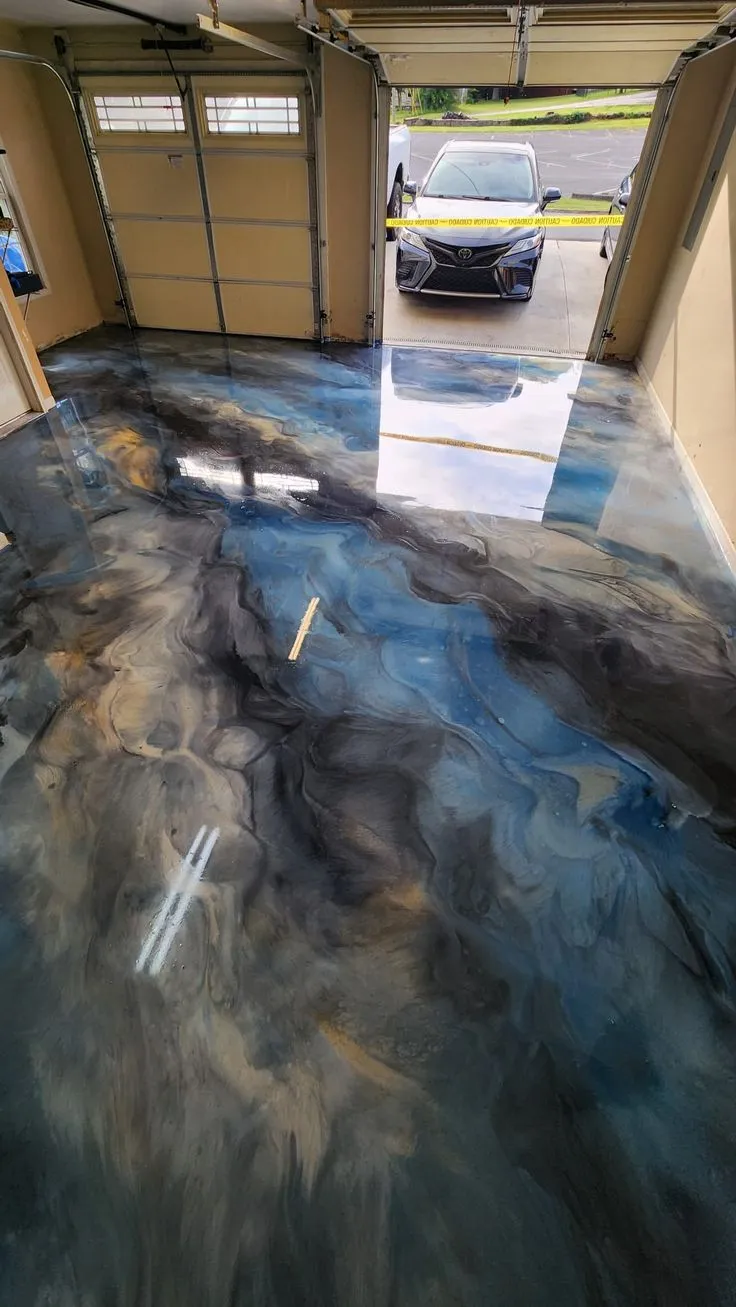
A garage designed to display a prized vehicle serves a different purpose from an ordinary parking space. Lighting, wall finishes, storage, and the floor itself all influence how a car looks inside the room. Some enthusiasts consider a metallic epoxy floor garage installation when they want a distinctive setting for a collectible or restored vehicle. However, an attractive finish should also accommodate regular cleaning, tire movement, and occasional maintenance work. Planning the garage as a complete environment helps create an impressive space without overlooking its everyday responsibilities.
Begin With the Vehicle Collection
A single classic car requires a different layout from a garage housing several vehicles. Door clearance, vehicle dimensions, walking routes, and access to storage all influence how much usable space remains.
Measure the garage with every vehicle in its intended parking position. Consider whether doors can open comfortably and whether visitors will move around the cars. Clear circulation is more important than filling every corner with decorative features.
Make Lighting Part of the Design
A well-positioned lighting system can highlight bodywork, paint reflections, and vehicle details. Overhead fixtures provide general illumination, while carefully placed wall lighting may introduce additional visual interest.
Metallic floor finishes can reflect light differently depending on pigment movement and gloss. Consider whether the combined reflections will become distracting. Viewing samples beneath the actual garage lighting can help prevent an overly bright or visually crowded result.
Understand the Metallic Flooring Process
A garage floor epoxy swirl effect is created through metallic pigments and application techniques that influence the appearance of the resin as it settles. The finished pattern can resemble stone, flowing water, or abstract movement.
These effects are not reproduced exactly from one installation to another. Pigment distribution, working conditions, and application methods introduce variation. Homeowners should discuss the overall style they want rather than expect every line to match a reference photograph.
Coordinate Colors With Vehicle Paint
A highly decorative floor may compete with an equally striking vehicle. Owners displaying brightly colored cars may prefer restrained charcoal or silver tones, while neutral-colored vehicles can work with stronger contrasts.
Consider the appearance of the entire garage, including cabinets and wall colors. A floor should complement the collection rather than dominate it. Large samples can provide a better impression than small images viewed on a phone.
Plan Around Practical Garage Activities
Even a display-focused garage may be used for occasional maintenance, detailing, or moving equipment. Tire pressure, automotive fluids, and rolling tools all place demands on the surface.
Owners should think about:
-
Whether vehicles will enter and leave regularly.
-
Where detailing products will be stored.
-
How frequently equipment will move.
-
Whether additional surface traction is needed.
-
Which areas require protective mats.
Planning these activities helps preserve the decorative appearance without limiting practical use.
Prepare the Concrete Properly
An attractive resin finish depends on the condition of the underlying slab. Oil contamination, loose material, previous paint, and cracks can interfere with adhesion when they are not addressed correctly.
Unique Coatings & Polishing describes diamond grinding, concrete repairs, epoxy application, and protective topcoats as part of its garage flooring process. <Cite ref=”turn198732search0″/> Homeowners should confirm which preparation steps their project requires and how existing damage will be treated.
Understand Protective Topcoat Options
Different topcoats offer different characteristics relating to abrasion, sunlight exposure, and chemical resistance. Some polyurethane and polyaspartic systems provide UV stability that can be useful near open garage doors.
However, no coating should be assumed to resist every scratch or chemical. The selected system must suit the expected conditions. Ask the installer for product specifications, curing requirements, and maintenance guidance before approving the project.
Consider the Viewing Experience
A home showroom should remain comfortable for people walking around the vehicles. Clear pathways, appropriate lighting, and practical seating can improve the experience without requiring elaborate construction.
Glare and traction deserve particular attention. A glossy finish may become slippery when contaminated with certain fluids. Suitable precautions and a consistent cleaning routine remain important even when the space is used mainly for displaying cars.
Maintain the Completed Garage
Regular sweeping helps remove grit that could scratch a decorative surface. Automotive spills should be cleaned promptly with compatible products, while heavy equipment should be moved carefully.
Owners should preserve coating information and care instructions for future maintenance. Periodic inspections around tire contact areas and frequently used walkways can identify developing damage before more extensive repairs become necessary.
Conclusion
A home vehicle showroom requires thoughtful coordination between lighting, flooring, storage, and practical vehicle access. Metallic epoxy can contribute a distinctive appearance, but successful installation depends on concrete preparation, suitable protective layers, and realistic maintenance expectations. Vehicle owners should plan the complete space rather than select flooring in isolation. For residents exploring decorative garage coating options across Bend and Central Oregon, uniquecoatingsandpolishing.com provides information about metallic finishes and professional installation. A carefully planned showroom can highlight a valued vehicle collection while remaining practical for cleaning, storage, and everyday use.
