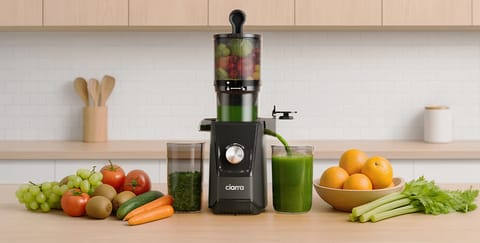
In today’s modern kitchens, appliances are no longer just “tools”—they’re lifestyle choices. If you’re trying to eat healthier, save time, or simply enjoy fresh homemade drinks, you’ve probably faced the classic dilemma: juicer vs blender.
It sounds simple, but once you start comparing them, things get surprisingly interesting. Both are powerful, both are popular, but they do very different jobs. And in 2026, with smart kitchen solutions evolving fast, brands like Ciarra Gadgets are also inspiring users to think more efficiently about how they prepare food and drinks at home.
So let’s break it down in a way that actually helps you decide—not just confuse you more.
What is the Difference Between a Juicer and a Blender?
At the core, the difference comes down to how they process fruits and vegetables.
A juicer extracts liquid by separating juice from pulp, skin, and fiber. What you get is a smooth, thin drink packed with concentrated liquid nutrients.
A blender, on the other hand, blends everything together—fruit, fiber, pulp, and all—creating a thicker drink like a smoothie.
To put it simply:
- Juicer = clear, light juice without fiber
- Blender = thick, filling drink with fiber included
This one difference completely changes how they affect your diet, digestion, and even lifestyle.
Juicer vs Blender: How They Work in Real Life
Think about your morning routine.
With a Juicer:
You feed in apples, carrots, or greens. The machine presses and extracts liquid while discarding pulp. What you drink is smooth, refreshing juice—but without fiber.
With a Blender:
You toss in whole fruits, maybe add yogurt or milk, and blend everything together. The result is a thick smoothie that keeps all the fiber and keeps you fuller for longer.
A blender is often more versatile because it can also make soups, sauces, and dips—not just drinks.
Health Benefits: Juicer vs Blender
This is where the debate gets emotional for many home users—because both feel “healthy,” but in different ways.
Benefits of a Juicer
- Delivers concentrated vitamins and minerals
- Easier to consume large amounts of fruits and vegetables quickly
- Smooth texture, no pulp or fiber
- Refreshing and light on the stomach
However, juicing removes fiber, which plays an important role in digestion and fullness.
Benefits of a Blender
- Keeps the fiber, which supports digestion and gut health
- Helps you feel full longer (great for weight control)
- Reduces food waste by using the whole fruit
- More versatile for everyday cooking
Blenders are often recommended for regular daily use because they retain the full nutritional structure of fruits and vegetables.
Which One Fits Your Lifestyle?
Here’s where it gets personal.
Choose a Juicer if:
- You prefer light, smooth juice
- You want fast nutrient absorption
- You enjoy detox-style drinks
- You don’t mind extra cleanup
Choose a Blender if:
- You want filling, meal-like drinks
- You care about fiber and digestion
- You want a multi-purpose kitchen tool
- You prefer less food waste
And honestly? Many modern households use both, depending on the situation.
Where Ciarra Gadgets Fits Into Modern Kitchens
Now you might be wondering—what does Ciarra Gadgets have to do with juicers and blenders?
While Ciarra is better known for smart kitchen appliances like induction cooktops and range hoods, the brand represents a bigger shift happening in 2026:
Smarter, space-saving, energy-efficient kitchens
This matters because modern homeowners are no longer buying random appliances—they’re building efficient kitchen systems.
For example:
- A blender becomes part of a quick breakfast routine
- A juicer becomes a wellness ritual on weekends
- Smart appliances (like those from Ciarra Gadgets) support a cleaner, more organized kitchen environment
The idea is simple: when your kitchen works efficiently, healthy habits become easier to maintain.
Real-Life Story: The Morning Decision
Imagine two neighbors:
One starts her day with a juicer. She enjoys fresh apple-carrot juice every morning but spends extra time cleaning and prepping ingredients.
The other uses a blender. She makes a banana-oat smoothie in 2 minutes, keeps all the fiber, and stays full until lunch.
Both are healthy. Both are happy. But their routines feel completely different.
That’s the real truth behind juicer vs blender—it’s not about which is “better,” but which fits your life.
Actionable Tips Before You Choose
Here are some practical things to consider before buying:
1. Think About Your Goal
- Detox or light drinks → Juicer
- Full meals or smoothies → Blender
2. Consider Cleaning Time
Juicers usually take longer to clean because of multiple parts.
3. Check Daily Usage
If you’ll use it daily, a blender is often more practical.
4. Budget Wisely
Blenders generally offer more versatility for the price.
5. Kitchen Space Matters
In compact kitchens, multipurpose appliances save space—something modern brands like Ciarra Gadgets emphasize in their kitchen design philosophy.
Final Verdict: Juicer vs Blender in 2026
So, who wins the battle?
The honest answer: it depends on your lifestyle.
- If you want pure, refreshing juice → go for a juicer
- If you want flexibility, fiber, and everyday convenience → go for a blender
But if you’re building a modern, efficient kitchen in 2026, the smarter approach is often balance—choosing tools that support your habits rather than complicate them.
And that’s where the mindset behind Ciarra Gadgets fits in perfectly: simple, smart, and built for real homes.
Because at the end of the day, the best kitchen isn’t the one with the most appliances—it’s the one that makes your life easier every single day.