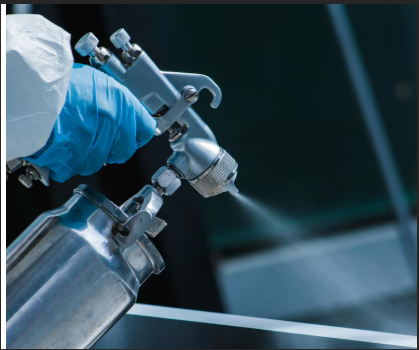
Industries across Australia are prioritizing advanced surface treatments to improve the longevity and appearance of their products. Techniques like metallic powder coat and coating with plastic ensure resistance to corrosion, wear, and environmental damage while adding visual appeal. These methods are widely used in automotive, construction, and consumer goods, helping manufacturers deliver reliable, long-lasting products.
Understanding the process behind metallic powder coat applications
The metallic powder coat process involves applying finely ground metallic particles to a surface using an electrostatic charge. Once applied, the coated object is heated in an oven, causing the powder to melt and fuse into a durable, uniform layer. This method offers excellent adhesion, making it ideal for metals exposed to harsh environments. Metallic powder coat finishes can also achieve unique textures and color effects, allowing designers to combine functionality with creativity. The process is environmentally friendly, as it produces minimal volatile organic compounds, aligning with Australia’s sustainability initiatives.
Advantages of coating with plastic in industrial applications
Coating with plastic serves as an effective barrier against moisture, chemicals, and impact. Unlike traditional paint, this technique forms a continuous layer that adheres strongly to the substrate. Plastic coatings can be customized in thickness, color, and texture, providing versatile design options for various industries. From protecting pipelines to enhancing consumer products, coating with plastic ensures resilience under demanding conditions. Its insulating properties also make it useful in electrical applications, while its ease of maintenance reduces long-term operational costs for manufacturers.
Comparing metallic powder coat and coating with plastic
While both methods improve product longevity, they differ in application and performance. Metallic powder coat excels in creating decorative finishes with high resistance to scratching, whereas coating with plastic offers superior chemical and impact resistance. Some industries even combine these techniques, applying a plastic layer over a metallic powder coat to maximize protection and visual appeal. Understanding the strengths of each method allows businesses to select the best solution for their specific needs, optimizing performance while maintaining cost efficiency.
Environmental and sustainability considerations in coatings
Sustainable manufacturing practices have become essential in Australia’s industrial landscape. Metallic powder coat and coating with plastic both reduce environmental impact compared to traditional solvent-based paints. Powder coating generates minimal waste, while plastic coatings can incorporate recycled materials. Both methods also minimize maintenance requirements, reducing the frequency of repainting or replacement. By adopting these approaches, companies not only protect their products but also contribute to greener production practices, meeting both regulatory standards and consumer expectations.
Applications of advanced coatings across various industries
Automotive, construction, and household goods industries widely utilize metallic powder coat and coating with plastic. Automotive parts benefit from corrosion-resistant finishes, while construction components such as railings and frames gain durability against weather exposure. Household appliances and furniture also employ these methods to combine aesthetic appeal with functional protection. The adaptability of these coatings ensures that manufacturers in Australia can meet diverse market demands while delivering high-quality, long-lasting products that require minimal upkeep.
Future trends in surface finishing technology
Advances in material science continue to enhance the capabilities of metallic powder coat and coating with plastic. Innovations focus on improving scratch resistance, color retention, and energy-efficient application processes. Emerging techniques, including hybrid coatings and environmentally friendly additives, are expanding options for manufacturers. As industries adopt these technologies, Australia is poised to see a rise in durable, aesthetically pleasing products that meet both functional and environmental standards.
Conclusion
Selecting between metallic powder coat and coating with plastic depends on the intended application, performance requirements, and desired appearance. Both techniques offer significant advantages, from durability to aesthetic flexibility. By understanding their unique properties, manufacturers can make informed decisions that enhance product longevity, reduce maintenance, and support sustainable practices, ensuring high-quality outcomes across diverse Australian industries.